
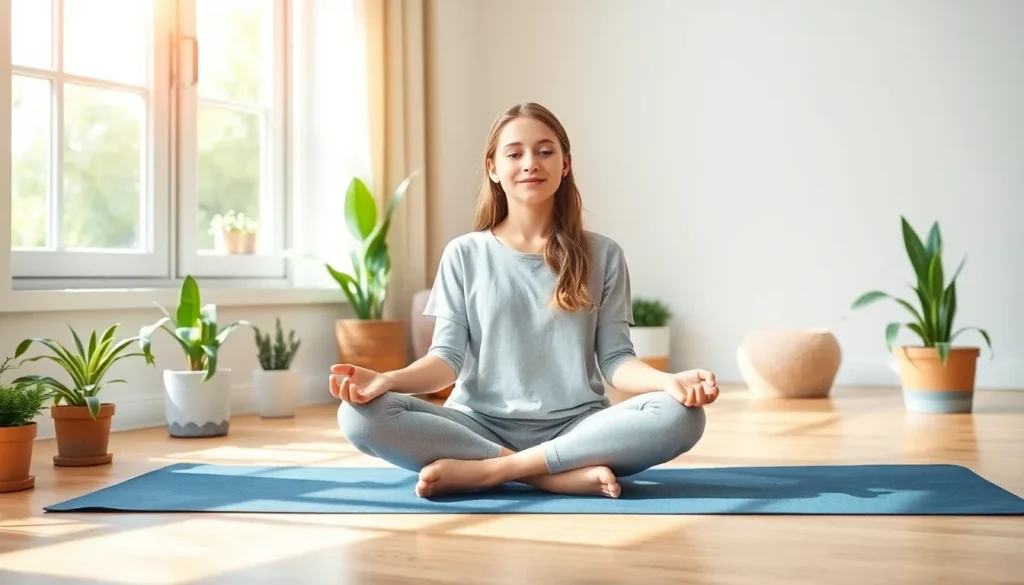
In today’s fast-paced world, teens often find themselves juggling school, extracurricular activities, and social pressures. With so much on their plates, it’s crucial for them to carve out time for relaxation. Learning effective relaxation techniques not only helps reduce stress but also enhances focus and overall well-being.
From mindfulness exercises to creative hobbies, there are countless ways for teens to unwind. Finding the right methods can transform their daily routine, making it easier to navigate the challenges of adolescence. This article explores practical relaxation tips tailored for teens, empowering them to embrace a more balanced lifestyle.
Understanding Teen Stress
Teen years often involve significant stress due to various factors. Understanding these sources and effects can help in implementing effective relaxation techniques.
Common Sources of Stress
- Academic Pressure: Homework, exams, and college applications create significant stress for teens. They often feel the need to maintain high grades or excel in academics.
- Extracurricular Activities: Balancing sports, clubs, and volunteering can overwhelm teens, leading to time management challenges.
- Social Dynamics: Peer relationships and the pressure to fit in contribute to emotional strain. Friendships and social media interactions can either lift spirits or cause anxiety.
- Family Expectations: Teens may experience stress from high expectations set by parents or guardians regarding achievements and behavior.
- Life Changes: Transitions, such as moving to a new school or dealing with parental separation, can disrupt emotional stability and create stress.
Effects of Stress on Teens
- Emotional Distress: Increased stress levels can lead to anxiety, depression, or mood swings, impacting overall mental health.
- Physical Issues: Stress often manifests physically, causing headaches, fatigue, or stomachaches in teens.
- Decreased Focus: High stress can result in diminished concentration and productivity, affecting academic performance.
- Sleep Problems: Stress frequently disrupts sleep patterns, leading to insomnia or excessive daytime sleepiness.
- Social Withdrawal: Teens under stress might withdraw from friends and family, leading to isolation and further emotional difficulty.
Importance of Relaxation
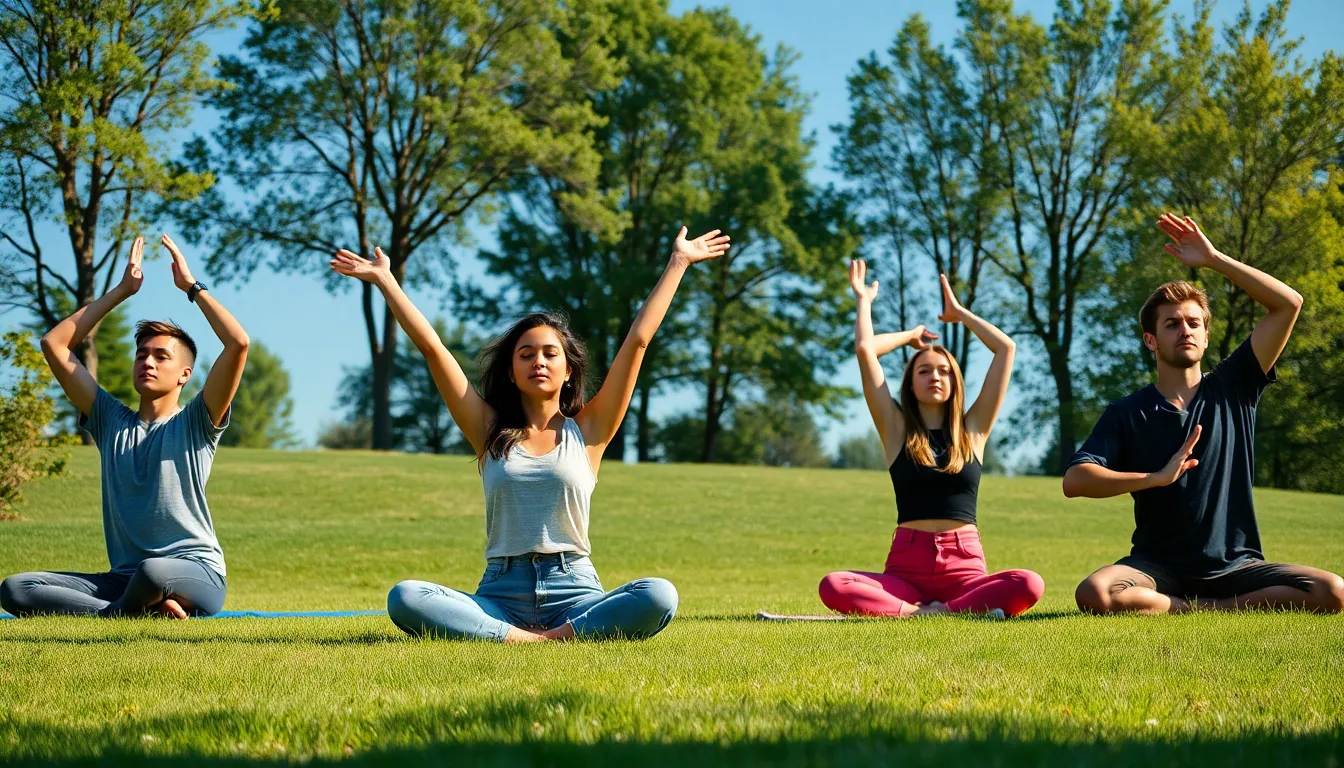
Relaxation plays a crucial role in a teen’s life. It helps manage stress and fosters a sense of well-being amidst daily challenges.
Benefits of Relaxation Techniques
Relaxation techniques offer numerous benefits, including:
- Reduced Stress: Engaging in activities such as yoga or meditation leads to a decrease in cortisol levels, promoting a sense of calm.
- Enhanced Focus: Regular practice improves concentration. Techniques like deep breathing can sharpen attention during study sessions.
- Improved Sleep: Relaxation methods encourage better sleep quality, essential for academic performance and daily functioning.
- Emotional Balance: Relaxation fosters emotional resilience, enabling teens to cope with challenges more effectively.
- Creative Expression: Activities like drawing or playing music provide an outlet for emotions, stimulating creativity and personal growth.
How Relaxation Affects Mental Health
- Alleviating Anxiety: Consistent relaxation practices reduce symptoms of anxiety, helping teens face social pressures and academic demands.
- Boosting Mood: Activities that promote relaxation, such as spending time in nature, increase serotonin levels, enhancing overall mood.
- Enhancing Resilience: Regular relaxation builds coping strategies, equipping teens to handle life’s ups and downs with greater ease.
- Improving Self-Esteem: Achieving relaxation can lead to a sense of accomplishment, bolstering self-confidence and reducing feelings of inadequacy.
- Encouraging Social Interaction: Group relaxation activities, such as team sports or group yoga, enhance social connections, addressing feelings of isolation.
Effective Teen Relaxation Tips
Teens can incorporate various relaxation techniques into their daily routines. These methods promote stress relief and create a more balanced lifestyle.
Physical Relaxation Techniques
- Deep Breathing Exercises: Deep breathing calms the nervous system, enabling relaxation. Inhale deeply through the nose for a count of four, hold for four, and exhale through the mouth for a count of six. Repeating this for several minutes induces tranquility.
- Progressive Muscle Relaxation: This technique involves tensing and then relaxing each muscle group, starting from the toes and moving to the head. It facilitates physical awareness and reduces muscle tension.
- Yoga and Stretching: Engaging in yoga or simple stretching enhances flexibility and releases tension. Yoga’s focus on breath and movement creates an effective way to relieve stress.
- Outdoor Activities: Physical activities, like walking or biking, provide fresh air and physical movement, which reduce stress hormones. Spending time outdoors enhances overall mood and relaxation.
Mental Relaxation Strategies
- Mindfulness Meditation: Practicing mindfulness meditation encourages presence in the moment. It reduces racing thoughts and promotes emotional regulation through focused breathing and awareness of surroundings.
- Journaling: Writing feelings and thoughts serves as a valuable outlet for emotions. Regular journaling allows teens to process feelings, identify stressors, and reflect on daily experiences.
- Visualization Techniques: Visualizing peaceful scenes or happy memories fosters calmness. This method redirects focus from stressors, allowing for a temporary escape from pressures.
- Limiting Screen Time: Reducing time spent on digital devices decreases exposure to stressors, such as social media pressures. Setting boundaries can foster better mental health and relaxation.
Creative Outlets for Relaxation
- Art and Craft Projects: Engaging in creative activities promotes relaxation through self-expression. Painting, drawing, or crafting provides a focused escape from stress.
- Playing an Instrument: Learning and playing music enhances focus and provides emotional release. It serves as both a creative outlet and a form of mental relaxation.
- Writing and Storytelling: Creative writing, poetry, or storytelling encourages expression and imagination. Transforming thoughts into stories helps alleviate stress.
- Dance and Movement: Expressive dance allows for physical movement and emotional release. It can be a fun way for teens to unwind while maintaining physical activity.
Incorporating Relaxation into Daily Life
Integrating relaxation techniques into daily routines enhances overall well-being for teens. Establishing a consistent practice helps them manage stress more effectively.
Setting a Relaxation Schedule
Establishing a regular relaxation schedule supports teens in prioritizing their mental health. Block specific time slots in daily or weekly calendars dedicated exclusively to relaxation activities. Encourage morning mindfulness sessions, afternoon yoga breaks, or evening journaling practices. Maintaining this routine fosters a sense of structure, aiding in stress management and focus development.
Creating a Calm Environment
Creating a calm environment plays a significant role in facilitating relaxation. Designate a quiet space free from distractions where relaxation activities can occur. Incorporate soft lighting, comfortable seating, and soothing colors to promote tranquility. Keep the area tidy to minimize visual clutter, which can increase stress levels. Adding calming elements such as plants or nature-inspired decorations further enhances the atmosphere, encouraging effective relaxation practices.
Embracing relaxation techniques is essential for teens navigating the complexities of modern life. By prioritizing their mental and emotional well-being they can significantly reduce stress and enhance their overall quality of life. Incorporating simple practices like deep breathing or engaging in creative hobbies can make a noticeable difference.
Creating a consistent relaxation routine allows teens to recharge and develop resilience against daily pressures. A calm environment further supports these efforts by providing a sanctuary for unwinding and self-reflection.
Ultimately the journey to stress management and emotional balance starts with small steps. By integrating these relaxation tips into their lives teens can cultivate a healthier mindset and a more fulfilling experience as they grow and thrive.


