
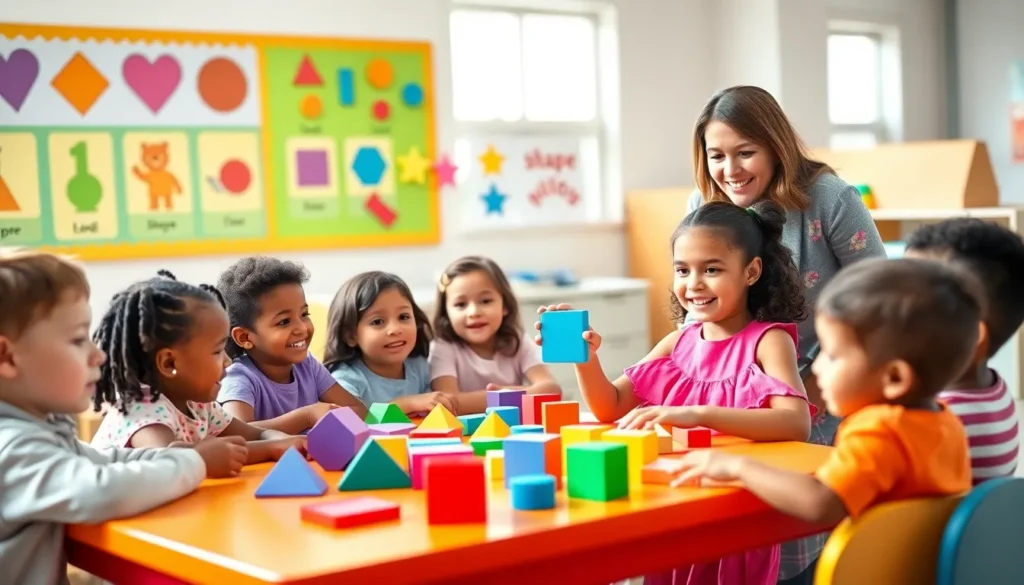
Teaching shapes to preschoolers might seem like a walk in the park, but it’s actually a bit like trying to teach a cat to fetch. It requires engaging methods, a sprinkle of creativity, and a whole lot of patience. Shapes are not just forms floating around in space: they are the building blocks of our understanding of the world. So grab your colorful shapes and let’s jump into the delightful world of geometry for tiny tots.
Understanding Shapes: A Fundamental Concept
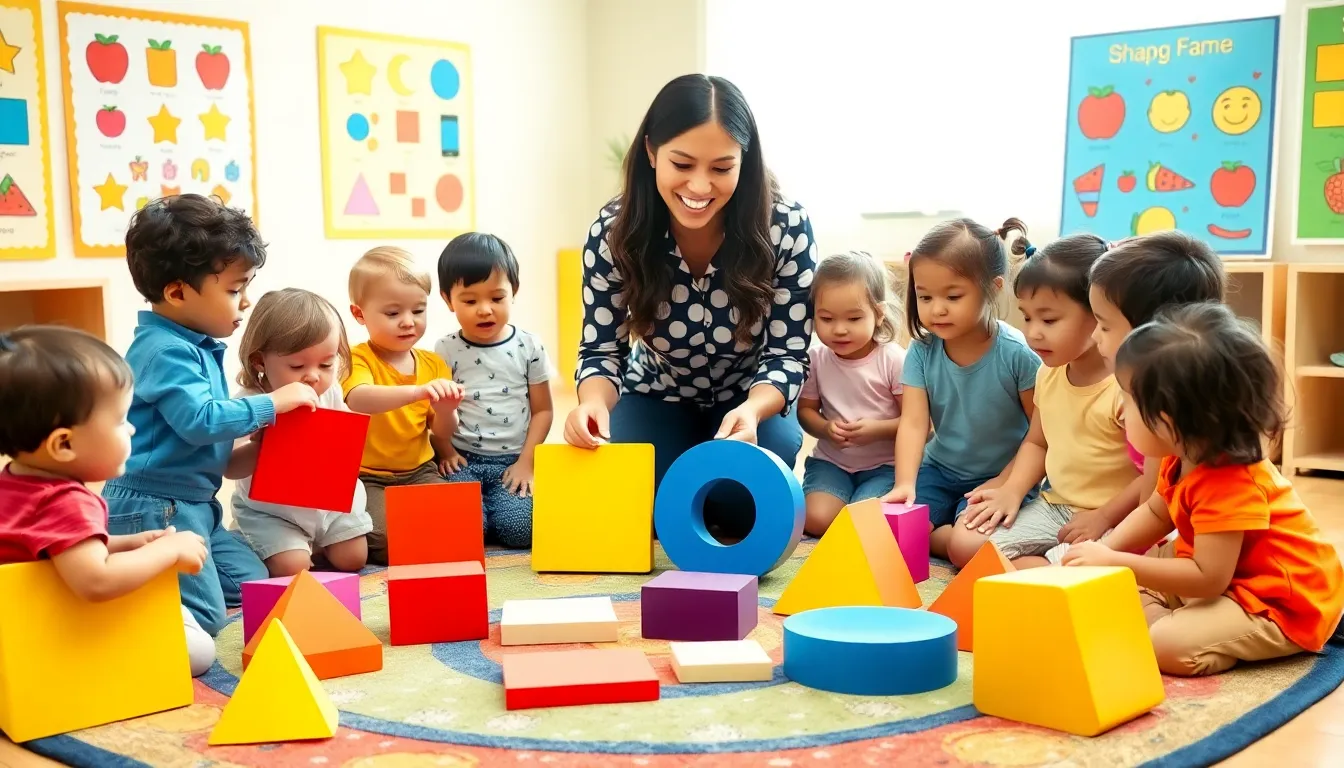
Understanding shapes is essential in early childhood development. Kids begin to recognize various forms as they explore their environment. Whether it’s a square box or a round ball, shapes are everywhere. Recognizing these shapes helps preschoolers make sense of their surroundings and contributes to their spatial awareness.
In classrooms, shapes serve as the foundation for more complex topics like geometry and measurement later on. Not only that, shapes can act as a springboard for exciting discussions about attributes such as size, color, and even texture.
Also, recognizing and naming shapes boosts vocabulary skills. When chatting about a triangle, children learn to articulate their thoughts and express ideas more clearly.
Overall, shape recognition is a gateway to not only mathematical understanding but cognitive skills like reasoning and logic.
Importance Of Teaching Shapes Early
The importance of teaching shapes in early childhood cannot be overstated. First off, it lays the groundwork for future learning. By introducing shapes at a young age, educators can build kids’ mathematical foundation long before they step into formal schooling.
Also, engaging with shapes sparks creativity. Children learn through play, and incorporating shapes into games allows them to express themselves while exploring physical space. This exploration is vital: it promotes problem-solving skills and encourages independent thinking.
On a social level, learning about shapes can enhance interaction among peers. Activities that involve shapes often require teamwork, communication, and collaboration, helping children develop essential interpersonal skills.
Fun and Engaging Strategies For Teaching Shapes
Engagement is key when it comes to teaching shapes. Here are some delightful strategies that can transform mundane lessons into exciting adventures:
1. Shape Hunt
Organize a shape hunt around the classroom or home. Kids can search for items that match the shapes they are learning.
2. Story Time with Shapes
Read stories that feature shapes prominently. Use books like “The Very Hungry Caterpillar” to highlight shapes in each page.
3. Use Technology
Introduce educational apps that focus on shape recognition. Kids often find tech-based activities captivating.
Integrating Shapes Into Daily Activities
Integrating shapes into daily activities makes learning seamless and fun. Here are some ways parents and teachers can embed shapes into everyday routines:
1. Cooking Together
While baking, use shape cookie cutters to create fun treats. You can talk about the shapes while making cookies, reinforcing the lessons.
2. Shape Sorting
Use everyday objects to teach shape sorting. Have kids classify toys based on their shapes. This kind of activity develops critical thinking as well.
Creative Arts and Crafts For Shape Learning
Art and craft activities provide dynamic avenues for shape learning. Here are a few recommendations:
1. Shape Collages
Encourage preschoolers to create collages using cut-out shapes. They can glue different shapes onto paper to make engaging pictures.
2. Shape Stamps
Using sponge shapes as stamps can add a new twist. Kids can stamp multiple shapes with different colors to create vibrant art.
3. Shape Drawing
Guide children in drawing different shapes. Once they master basic shapes, challenge them to create objects using those shapes.
Games and Activities To Reinforce Shape Recognition
Games make learning shapes feel like play, which is exactly what preschoolers love. Here are a few enjoyable games:
1. Shape Matching
Create memory cards featuring various shapes for a matching game.
2. Simon Says
Incorporate shapes into “Simon Says” to develop listening skills. For example, “Simon says touch a circle.”
3. Shape Bingo
Design a bingo game with different shapes. This can make shape recognition a thrilling contest.
Assessing Shape Knowledge in Preschoolers
Assessing preschoolers’ understanding of shapes can be both enlightening and enjoyable. Teachers can use various informal assessments, such as:
1. Observation
Watch how children interact with shapes during activities to gauge their understanding.
2. Hands-on Assessment
Ask children to identify shapes in their surroundings. The ability to pinpoint real-world examples is significant.
3. Shape Quizzes
Create quick quizzes using fun formats, such as coloring activities or shape puzzles.
These assessments don’t need to be intimidating, fun formats can foster a love of learning, making it easier for preschoolers to show what they know.


