
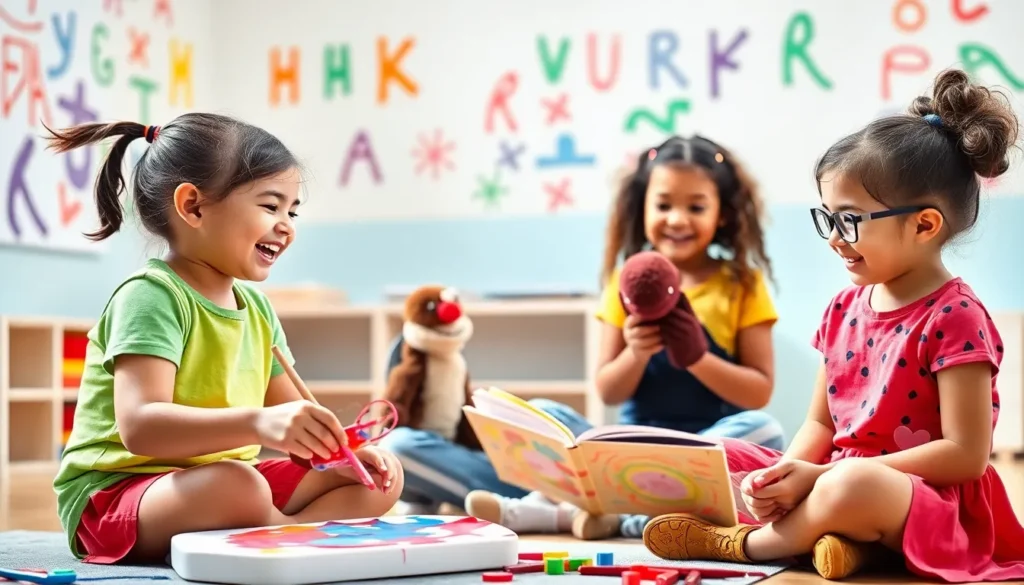
Emotional development in preschoolers lays the foundation for their future relationships and overall well-being. During these formative years, children begin to understand their feelings and the feelings of others, which is crucial for building empathy and social skills. This stage is not just about learning to express emotions but also about managing them effectively.
As preschoolers navigate their world, they encounter a range of emotions—from joy to frustration. The way they learn to handle these emotions can significantly impact their behavior and interactions. Parents and educators play a vital role in fostering a supportive environment that encourages emotional growth, helping children develop resilience and confidence. Understanding the nuances of preschool emotional development can empower caregivers to nurture healthy emotional habits that last a lifetime.
Understanding Preschool Emotional Development
Preschool emotional development consists of recognizing, expressing, and managing emotions. Children aged three to five experience rapid emotional changes. It’s essential for them to identify feelings like happiness, sadness, anger, and fear. This identification helps children develop their emotional vocabulary, enabling them to communicate effectively.
Social interactions play a crucial role in emotional development. Through peer interactions, children learn empathy, sharing, and conflict resolution. For example, children who engage in cooperative play are more likely to understand others’ perspectives. This understanding fosters better relationships and enhances emotional intelligence.
Parents and educators significantly influence emotional development. They model appropriate emotional responses, demonstrating how to express feelings healthily. Consistent routines provide children with security, promoting resilience and confidence. Positive reinforcement encourages children to articulate their emotions and seek help when necessary.
Environmental factors also impact emotional growth. Exposure to diverse experiences, including art and storytelling, enriches emotional learning. Activities like group games or emotional role-playing nurtures social skills. Such experiences prepare children for challenges in school and beyond.
Overall, understanding preschool emotional development helps caregivers create supportive environments. Promoting emotional awareness and management equips children with skills crucial for lifelong emotional health.
Key Components of Emotional Development
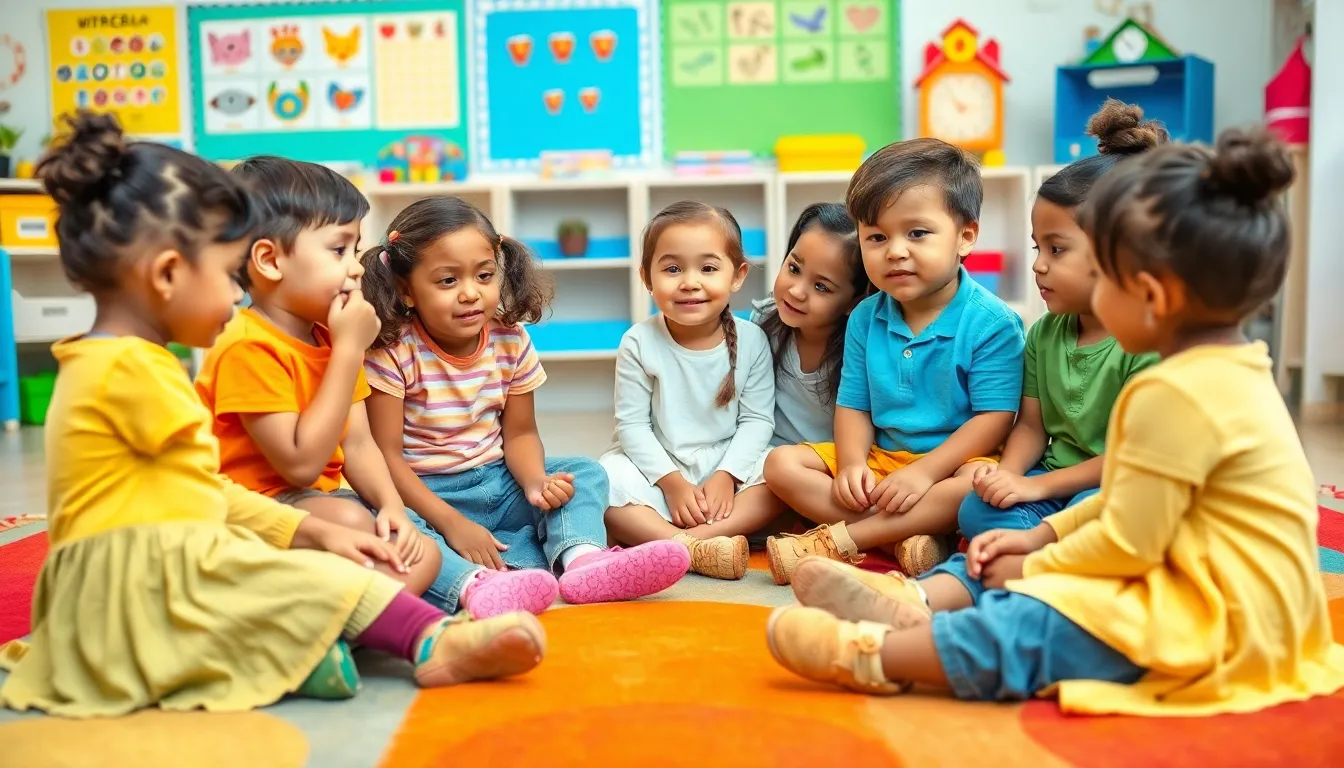
Preschool emotional development consists of several key components that are vital for children aged three to five. Emotional awareness and regulation are two fundamental aspects of this developmental stage.
Emotional Awareness
Emotional awareness involves recognizing and labeling feelings accurately. Children gain the ability to identify various emotions such as happiness, sadness, anger, and fear. This recognition occurs through interactions with peers and adults. By acknowledging their emotions, children begin to articulate their feelings, enhancing their emotional vocabulary. Engaging in activities like storytelling and role-playing promotes emotional awareness, as children relate to characters and scenarios. Through guided discussions, caregivers help children connect emotions to real-life situations, fostering understanding and empathy.
Emotional Regulation
Emotional regulation refers to managing and responding to emotions appropriately. Preschoolers learn to express their feelings in constructive ways, such as using words or seeking comfort from trusted adults. Modeling positive emotional responses by parents or educators influences how children cope with challenges. Teaching techniques such as deep breathing or counting to calm down also supports emotional regulation. Consistent routines provide a sense of security, helping children develop resilience in the face of emotional ups and downs. Developing these skills equips preschoolers with the tools to navigate their emotions throughout life.
Factors Influencing Emotional Development
Multiple factors significantly influence preschool emotional development, shaping children’s ability to understand and manage their emotions. Key influences include the family environment and peer interactions.
Family Environment
Family dynamics play a crucial role in emotional development. Supportive caregivers provide a safe atmosphere for children, fostering emotional security and stability. Consistent routines and positive communication nurture emotional awareness. Responsive parenting practices, such as active listening and validating feelings, help children learn to express their emotions. Research shows that children in nurturing family environments exhibit greater emotional intelligence and resilience. Engaging in shared activities, like reading and play, strengthens emotional connections and enhances understanding of emotions.
Peer Interactions
Peer interactions offer essential opportunities for preschoolers to develop emotional skills. Through play and shared experiences, children learn to navigate emotions such as empathy, cooperation, and conflict resolution. Positive social interactions promote emotional regulation, as children adapt their responses to various social contexts. Engaging in group activities encourages children to express their emotions constructively while learning to respect others’ feelings. Studies indicate that regular peer engagement leads to improved social skills and emotional competence, setting the foundation for future relationships.
Strategies to Support Emotional Development
Supporting preschool emotional development involves engaging strategies that foster emotional growth through various methods, including play-based learning and structured programs.
Play-Based Learning
Play-based learning creates a nurturing environment where preschoolers can explore emotions. Through pretend play, children can act out scenarios, allowing them to express feelings like joy, frustration, or surprise. These activities enhance emotional awareness and regulation by facilitating dialogue about feelings. For example, during group play, children practice sharing, negotiating, and resolving conflicts, which cultivates empathy and understanding.
Interactive storytelling also contributes to emotional development. By discussing character emotions and motivations, children learn to analyze and relate to different feelings. Art activities provide another avenue for expression, allowing children to illustrate their emotions in a tangible way. Collectively, these play-based approaches promote a secure platform for children to develop essential emotional skills naturally.
Social-Emotional Programs
Social-emotional programs specifically address preschool emotional development through structured curricula. These programs often include lessons that teach children to recognize and manage their feelings, fostering resilience and self-regulation. For instance, programs may incorporate activities that guide children in identifying emotions using visual aids or emotion cards.
Role-playing exercises within these programs enable preschoolers to practice empathy and social skills in safe settings. Interactive group activities promote cooperation and teamwork, while shared problem-solving enhances peer relationships. By emphasizing consistent routines and positive reinforcement, social-emotional programs support emotional resilience, creating a foundation for lasting emotional health.
Challenges in Emotional Development
Preschoolers face various challenges in emotional development that can hinder their progress in understanding and managing their emotions. Two notable challenges include behavioral issues and cultural differences.
Behavioral Issues
Behavioral issues often manifest as difficulties in emotional expression and regulation. Children may act out when overwhelmed by emotions, displaying tantrums or aggressive behavior. These reactions may stem from an inability to articulate feelings effectively. For example, a child frustrated by a peer’s toy-sharing refusal may resort to hitting instead of verbalizing feelings. Consistent behavioral guidance helps children learn appropriate ways to express emotions. Strategies such as positive reinforcement, modeling good emotional response, and using clear communication techniques can alleviate these challenges. Structured environments, including consistent routines, promote a sense of security that fosters better emotional management.
Cultural Differences
Cultural differences significantly influence emotional development in preschool-aged children. Variations in emotional expression and regulation occur across cultures. Some cultures encourage open emotional displays, while others promote restraint. For instance, children from cultures valuing emotional expression might find it easier to communicate feelings, whereas those from more reserved cultures may struggle with emotional articulation. Educators and caregivers must understand and appreciate these cultural dynamics. Culturally responsive practices, such as incorporating diverse emotional expressions into learning materials, enhance emotional awareness. Recognizing and honoring cultural perspectives encourages inclusivity and supports children’s emotional development effectively.
Fostering emotional development in preschoolers is vital for their future success and well-being. By nurturing emotional awareness and regulation, caregivers can equip children with essential skills for managing their feelings and building healthy relationships. Engaging in play-based learning and structured social-emotional programs enhances children’s ability to express and cope with emotions effectively.
A supportive family environment and positive peer interactions further strengthen emotional growth. Understanding the challenges that may arise, such as behavioral issues and cultural differences, allows caregivers to create inclusive and responsive practices. With the right support, preschoolers can thrive emotionally, laying a solid foundation for lifelong emotional health and resilience.


