
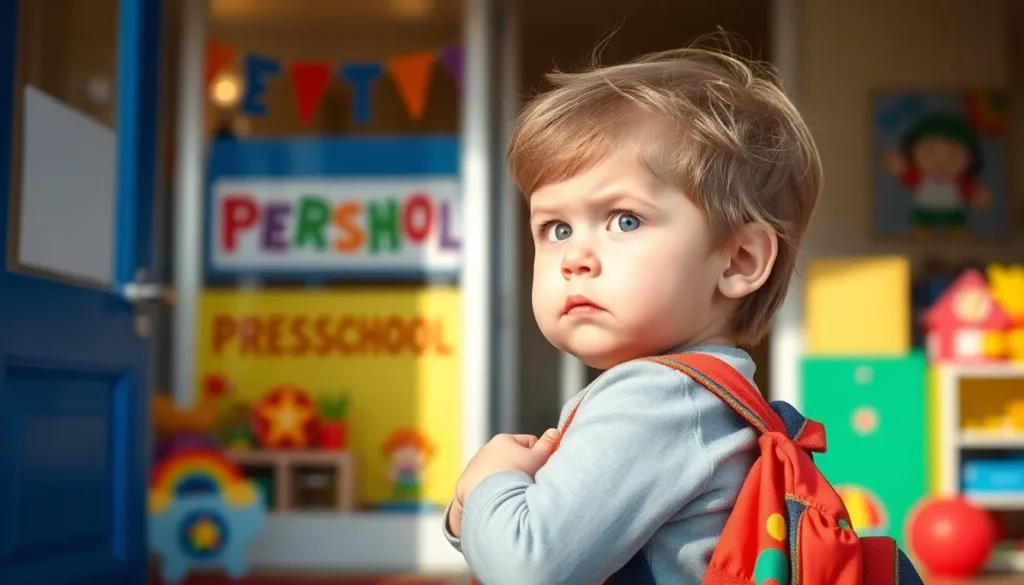
Starting preschool can be a thrilling yet daunting experience for young children. As they step into this new world filled with unfamiliar faces and routines, it’s common for anxiety to creep in. Preschool anxiety affects many kids, manifesting in various ways like clinginess, tantrums, or even physical symptoms like stomachaches.
Understanding the roots of preschool anxiety is crucial for parents and educators alike. By recognizing the signs and implementing supportive strategies, they can help children navigate this transition smoothly. Addressing preschool anxiety not only fosters emotional resilience but also sets the foundation for a positive educational journey ahead.
Understanding Preschool Anxiety
Preschool anxiety manifests as children navigate new environments and routines. Recognizing its characteristics helps parents and educators provide essential support.
Definition and Overview
Preschool anxiety refers to feelings of fear, worry, or unease experienced by children aged 3 to 5 when facing new situations, such as starting preschool. This form of anxiety often arises from separation from caregivers, unfamiliar surroundings, and interaction with new peers. While some anxiety is normal, excessive anxiety can impact a child’s ability to engage in social and educational activities, making understanding its roots critical for effective support.
Common Signs and Symptoms
Children exhibit various signs and symptoms of preschool anxiety, which include:
- Clinginess: Seeking constant proximity to parents or caregivers as a means of comfort during stressful transitions.
- Tantrums: Displaying outbursts of anger or frustration when faced with separation or change in routine.
- Physical Symptoms: Reporting stomachaches, headaches, or other ailments that do not have a medical cause, often linked to stress.
- Withdrawal: Showing reluctance to engage with peers or participate in group activities, preferring isolation.
- Sleep Disturbances: Experiencing trouble falling asleep or frequent nightmares related to anxiety about separation or new experiences.
Recognizing these signs allows for timely interventions to alleviate anxiety and support emotional health.
Causes of Preschool Anxiety
Understanding the causes of preschool anxiety helps parents and educators provide effective support. Various factors contribute to this anxiety, including environmental influences and biological predispositions.
Environmental Factors
Changes in a child’s environment often trigger anxiety. Factors such as starting preschool, transitioning to new homes, or changes in routine can create feelings of unease. Children may perceive unfamiliar settings and new people as threats, leading to clinginess or withdrawal. Additionally, exposure to high-stress situations at home, such as parental conflicts or major life changes, can heighten sensitivity to anxiety. Overall, a supportive and stable environment minimizes stress and enhances adaptability in young children.
Biological Influences
Biological factors play a significant role in preschool anxiety. Genetic predispositions can affect a child’s temperament, making some more susceptible to anxiety than others. Neurobiological components, including differences in brain chemistry, can influence emotional regulation. Advances in research indicate that children with a family history of anxiety disorders may be more prone to experience anxiety themselves. Understanding these influences assists caregivers in identifying at-risk children and implementing proactive strategies to foster emotional resilience.
Types of Preschool Anxiety Disorders
Preschool anxiety disorders manifest in various forms, affecting children’s emotional well-being. Understanding these types aids in recognizing and addressing their specific needs.
Separation Anxiety Disorder
Separation Anxiety Disorder (SAD) occurs when children experience excessive fear or anxiety regarding separation from primary caregivers. Symptoms often include persistent worry about losing caregivers, nightmares involving separation themes, and reluctance to go to preschool. Children may exhibit clinginess and physical symptoms such as headaches or stomachaches. Signs typically arise during significant transitions or changes in routine, making it vital for parents to provide reassurance and a stable environment. Early identification and intervention can significantly reduce anxiety levels and encourage a smoother adjustment process.
Social Anxiety Disorder
Social Anxiety Disorder (SAD) involves an intense fear of social interactions, preventing children from engaging comfortably with peers. Symptoms may include excessive self-consciousness, avoidance of group activities, and fear of negative evaluation by others. Children might refuse to participate in preschool activities or avoid making new friends. This disorder can hinder social development and learning opportunities, as positive interactions are crucial at this stage. Supportive strategies, such as gradually introducing social situations and modeling positive social behavior, can help children build confidence and overcome anxiety.
Strategies for Managing Preschool Anxiety
Managing preschool anxiety requires a combination of parental support and professional intervention. Effective techniques can significantly ease anxiety and promote emotional well-being for children.
Parental Support Techniques
- Establish Routines: Consistent daily schedules provide stability, helping children anticipate their day and reduce anxiety.
- Encourage Open Communication: Parents should invite children to express their feelings about preschool. Validating their concerns shows understanding and builds trust.
- Practice Separation: Gradual separation exercises, such as short times apart before preschool starts, help children acclimate to being away from caregivers.
- Use Positive Reinforcement: Acknowledging and praising children for coping with anxiety promotes a sense of accomplishment and builds confidence.
- Role-Playing Situations: Practicing scenarios that might occur at preschool, including meeting new classmates or interacting with teachers, can reduce fear and increase familiarity.
- Introduce Comfort Objects: Allowing children to bring a small, familiar item from home can provide reassurance in a new environment.
Professional Intervention Options
- Therapeutic Support: Engaging a child psychologist or counselor experienced in childhood anxiety can provide tailored coping strategies and emotional support.
- Cognitive Behavioral Therapy (CBT): CBT effectively addresses anxiety by helping children identify and challenge negative thought patterns and behaviors.
- Social Skills Training: Group sessions focusing on social interactions can boost confidence, offering children opportunities to practice and improve their social skills in a safe space.
- Parent Education Programs: Workshops can equip parents with tools and techniques to manage their child’s anxiety effectively, promoting consistent strategies at home.
- Medication Consultation: In severe cases, a pediatrician or psychiatrist may evaluate whether medication is necessary to alleviate overwhelming anxiety.
Implementing these strategies enables parents and professionals to collaborate for the emotional growth of children facing preschool anxiety.
Addressing preschool anxiety is essential for fostering a child’s emotional well-being and educational success. By understanding the signs and causes of anxiety, parents and educators can create supportive environments that ease transitions. Implementing effective strategies not only helps children cope but also builds resilience for future challenges. With timely intervention and a collaborative approach, children can thrive in their new preschool settings, turning anxiety into confidence.


