
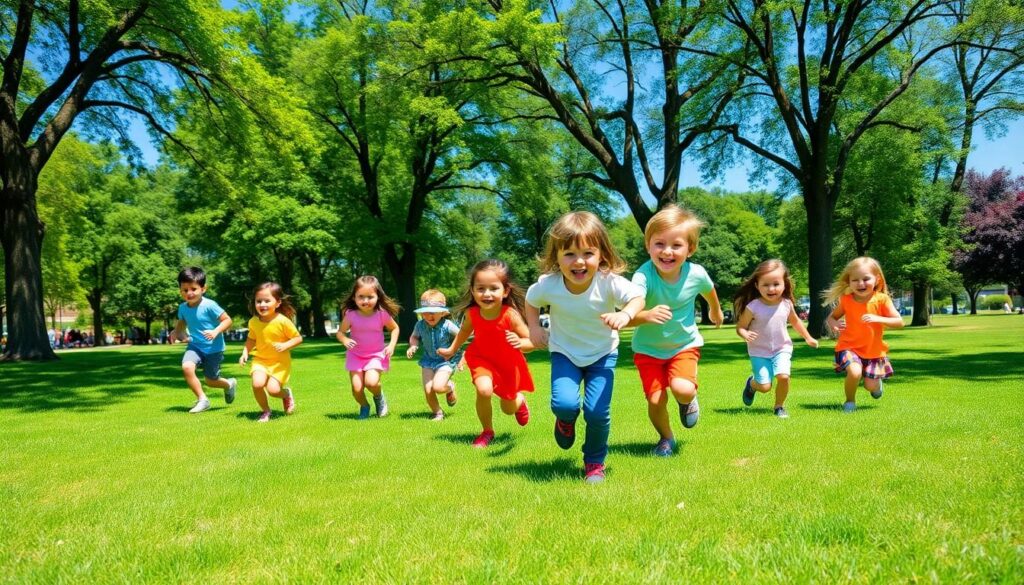
When it comes to preschoolers, outdoor play isn’t just fun—it’s essential. Kids need to stretch their legs, burn off that endless energy, and explore the great outdoors. But let’s face it, they can’t just chase butterflies all day. That’s where outdoor games come in, turning the backyard or park into their personal playground of adventure and excitement.
Benefits Of Outdoor Games For Preschoolers
Outdoor games significantly contribute to preschoolers’ overall development. Engaging in these activities helps children grow physically, socially, and emotionally.
Physical Development
Physical development occurs through active play outdoors. Games like tag and hide-and-seek promote coordination and balance. Running, jumping, and climbing enhance muscle strength while improving cardiovascular fitness. Studies show that physical activity during preschool years fosters healthy growth patterns. Children who participate in outdoor activities regularly develop better motor skills than those who don’t. Fresh air also boosts energy levels, encouraging more extended periods of activity.
Social Skills Enhancement
Outdoor games play a crucial role in enhancing social skills. Interaction with peers during these activities encourages teamwork and communication. Sharing equipment or rules helps children learn negotiation and conflict-resolution methods. Group games foster a sense of belonging and cooperation, essential for emotional development. By participating in outdoor play, preschoolers become more aware of others’ feelings, enhancing empathy. Positive social interactions during games lay the foundation for lifelong relationships.
Popular Outdoor Games For Preschoolers

Outdoor games provide fun and developmentally beneficial experiences for preschoolers. Through engaging activities, children enhance their physical and social skills.
Classic Playground Games
Classic playground games include tag, hopscotch, and duck-duck-goose. Tag encourages running and dodging, promoting agility and speed. Hopscotch improves balance and coordination through jumping and landing on different squares. Duck-duck-goose fosters social interaction, as children take turns and learn about patience. Each of these games contributes to physical fitness while allowing preschoolers to make friends and develop essential teamwork abilities.
Interactive Group Games
Interactive group games like capture the flag, relay races, and Simon says create exciting opportunities for teamwork. Capture the flag involves strategy and collaboration, as teams work together to protect and retrieve their flag. Relay races promote speed and encourage friendly competition, enhancing fitness levels. Simon says strengthens listening skills and attention, allowing preschoolers to follow directions while having fun. These games fully engage children both physically and socially, building their confidence and interpersonal skills.
Safety Considerations For Outdoor Play
Ensuring safety during outdoor play remains crucial for preschoolers. Several practices enhance their protection while engaging in physical activities.
Supervision Tips
Active supervision proves essential. Adults should maintain close proximity to children engaged in outdoor games. Encouraging participation allows for a more controlled play environment. Regularly checking on kids fosters safety awareness. Establishing clear boundaries reduces the risk of accidents, ensuring that children remain within designated areas. Engaging with the children keeps interactions positive and monitors potentially risky situations effectively.
Safe Play Areas
Selecting appropriate play areas is vital. Enclosed spaces, such as backyards or designated park areas, minimize distractions and dangers. Nearby obstacles should be removed to prevent injuries. Soft surfaces, like grass or rubber mats, cushion falls. Inspecting play equipment regularly helps identify any hazards. Adequate shade protects children from excessive sun exposure. Ensuring access to clean water encourages hydration, supporting active play without health risks.
How To Encourage Outdoor Play
Encouraging outdoor play for preschoolers creates opportunities for physical activity and social interaction. Parents and caregivers play a vital role in facilitating these experiences.
Setting Up A Playdate
Create engaging playdates by inviting other children to join outdoor activities. Gathering friends enhances social skills and provides motivation for outdoor exploration. Select parks with ample space to run and play. Organizing simple games like tag or hide-and-seek keeps kids actively engaged while fostering teamwork. Schedule regular playdates, ensuring consistency fosters excitement for outdoor play. Parents can also rotate locations to offer new experiences and challenges, expanding children’s comfort zones with various environments.
Incorporating Games Into Routine
Incorporate outdoor games into daily routines to emphasize their importance. Families can establish a designated time each day for outdoor play, turning it into an expected part of the schedule. Use everyday tasks as opportunities for games; for example, a walk to the store can include a scavenger hunt. Involve children in planning activities that excite them, heightening their interest in participating. Leverage weekends or holidays for longer outdoor adventures, allowing for a variety of games like relay races or nature exploration. Consistent integration of outdoor play nurtures a love for physical activity and strong social bonds.
Conclusion
Outdoor games offer preschoolers a fantastic opportunity to grow physically and socially. By engaging in these activities, children not only improve their coordination and fitness but also develop essential social skills that will benefit them throughout their lives.
Parents and caregivers play a crucial role in facilitating these experiences, ensuring that outdoor play is both safe and enjoyable. By incorporating regular outdoor games into daily routines, families can foster a lifelong love for physical activity while strengthening their bonds.
Encouraging exploration and teamwork through outdoor play sets the stage for healthy development, making it an invaluable part of every child’s growth journey.


