
Ahoy, parents and educators. Are you ready to embark on an oceanic adventure that your preschoolers will love? Ocean activities for preschoolers aren’t just fun: they’re essential for your child’s development. From crafting colorful sea creatures to engaging in science experiments, these activities lure in little learners and make waves in their understanding of the world around them. So, grab your snorkel because we’re about to dive deep into engaging ocean-themed activities that will make your children excited about learning.
Why Ocean Activities Are Important
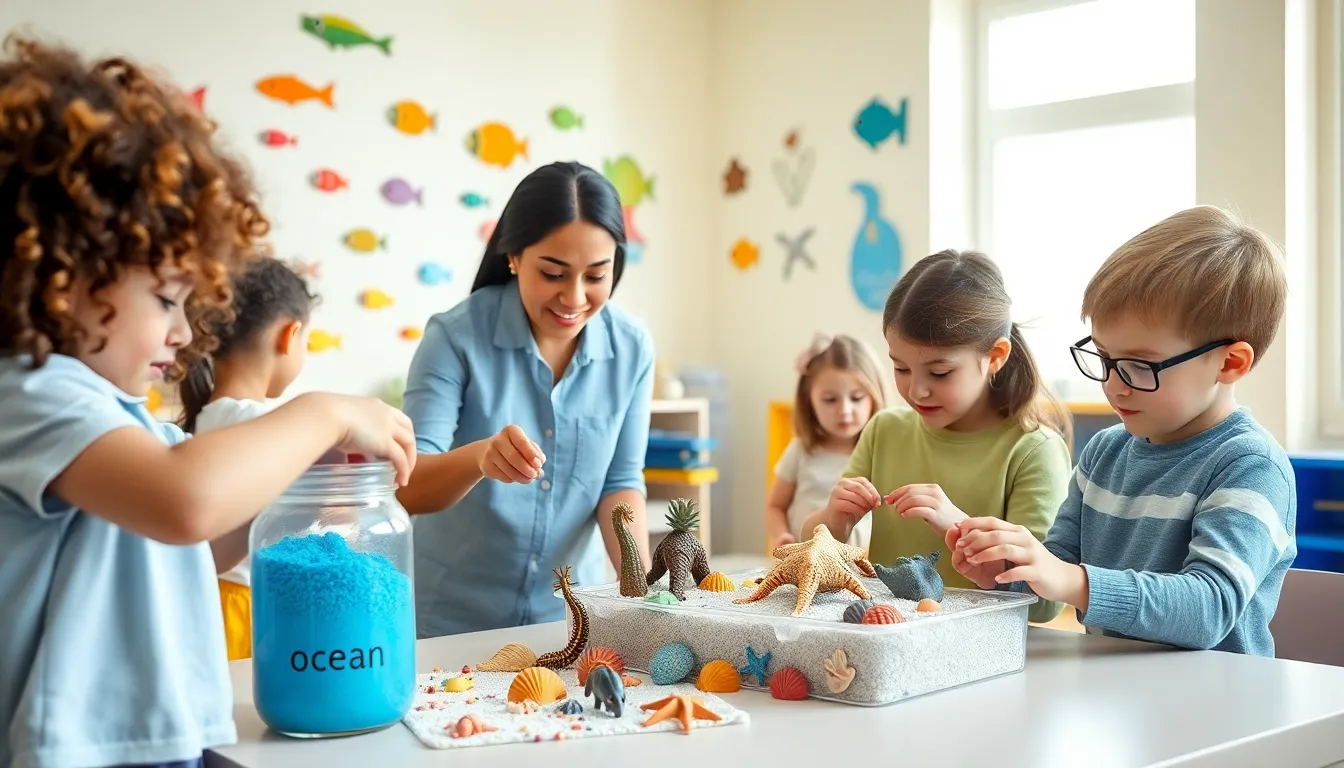
Engaging in ocean activities enriches preschoolers in myriad ways. First and foremost, these activities promote sensory exploration, allowing children to experience textures, colors, and sounds of the ocean. This sensory engagement leads to a deeper understanding of their surroundings.
Besides, ocean-themed activities can introduce foundational concepts in science, such as marine ecosystems and environmental care. When children learn about the importance of ocean conservation, they cultivate a sense of responsibility towards nature. Plus, incorporating elements of play can enhance memory retention, which is key at this developmental stage. Simply put, ocean activities are an engaging way for preschoolers to build essential skills while having a blast.
Even better, these activities can be adapted to fit diverse learning styles. Whether your child is a visual learner, an auditory learner, or a kinesthetic one, ocean activities can cater to their preferences, ensuring that every little one is included and stimulated.
Engaging Hands-On Ocean Crafts
Crafting is one of the most enjoyable ways for preschoolers to explore ocean themes. There are countless hands-on ocean crafts that encourage creativity while developing fine motor skills.
Colorful Paper Plate Fish
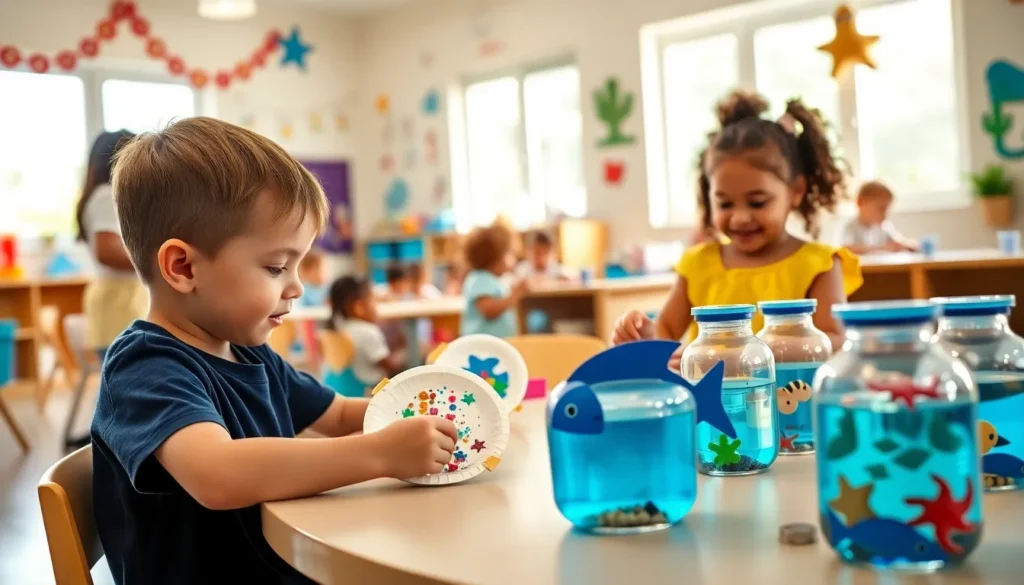
Start with some paper plates, scissors, and paint or markers. Let the children decorate their plates to look like fish. They can use glitter, sequins, or any scrap materials to embellish them. Not only does this activity allow for artistic expression, but it also helps with hand-eye coordination.
Ocean Sensory Bottles
Gather some empty plastic bottles, blue water, small toys like shells and fish, and glitter. Kids can help fill the bottles, creating mini oceans to shake and explore. Sensory bottles are not only fun to make but also provide calming effects, serving as a perfect tool for mindfulness.
Sea Creature Puppets
Utilizing felt, popsicle sticks, and glue, children can construct their favorite sea creatures. Then, they can put on a puppet show, allowing them to practice storytelling and communication skills. This hands-on craft not only sparks creativity but also builds confidence.
Fun Ocean-Themed Games
Games are a fantastic way to combine learning with fun. Here are some ocean-themed games preschoolers will love:
Ocean Bingo
Create bingo cards featuring various sea creatures. As you call out each creature, the children can place a marker on their card. It’s a great way to teach them about different marine life while ensuring they stay engaged.
Beach Ball Toss
Set up a simple toss game using a beach ball. Mark different zones with scores and gather the kids to toss the ball. This not only emphasizes coordination and teamwork but also lets them understand measurement concepts based on scores.
Underwater Treasure Hunt
Hide plastic sea creatures or gold coins around a designated play area. Provide clues or a simple treasure map for the preschoolers to follow. This active game promotes physical fitness and enhances problem-solving skills, leading to giggles and excitement.
Interactive Storytime With Ocean Books
Storytime becomes an unforgettable experience when ocean tales are involved. Engaging books on marine life can transport children to the depths of the sea without leaving the classroom.
Recommended Reads
Books like “Rainbow Fish” by Marcus Pfister offer beautiful illustrations and valuable lessons about sharing and friendship. Another great choice is “The Pout-Pout Fish” by Deborah Diesen, which is delightfully interactive. Reading these stories can spark conversations about marine ecosystems and the joy of friendship.
Engaging Techniques
To enhance the experience, consider incorporating props or puppets while reading. For instance, use plush sea creatures to illustrate different characters in the story. This makes storytime not only educational but memorable. Encourage the children to express their feelings about the stories or even create their own ocean tales based on the characters. Letting their imaginations run wild connects them personally to marine life and storytelling.
Exploring Ocean Science Experiments
Who says science can’t be fun? Ocean-themed science experiments introduce preschoolers to the wonders of the ocean in a hands-on way.
Make Your Own Ocean
Mix corn syrup, water, and blue food coloring in a clear container to create an ocean in a bottle. Discuss buoyancy by having children drop different items into the mixture to see which ones float or sink. This simple experiment introduces basic scientific principles while allowing creativity and wonder to flourish.
Saltwater vs. Freshwater
Gather two clear containers, one with freshwater and the other with saltwater. Use sea creature toys to demonstrate how some animals live in saltwater while others thrive in freshwater. It’s a simple experiment that helps children grasp the essential differences between these two types of environments.
Creative Ocean Sensory Play Ideas
Sensory play can provide endless engagement for preschoolers. Creating ocean-themed sensory bins is an excellent way to introduce various textures and experiences.
Ocean Adventure Bin
Fill a large bin with blue water beads to mimic ocean water. Add small plastic sea creatures, shells, and scoops. Allow children to explore at their own pace, promoting imagination and sensory stimulation.
Kinetic Sand Beach
Create ‘beach’ like structures using kinetic sand. Kids can manipulate the sand, replicate beach scenarios, or create their own sea creatures. This tactile experience enhances fine motor development while keeping them entertained.
Bubble Wrap Waves
Use bubble wrap as a makeshift ocean. Children can walk on the bubble wrap to mimic experiencing the waves crashing under their feet. This playful activity promotes physical movement and laughter.


