
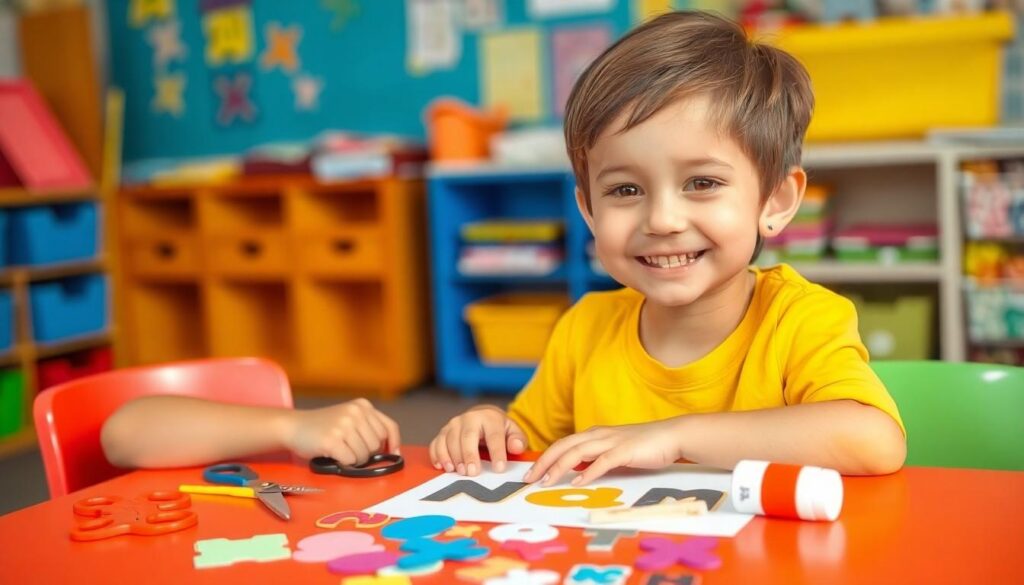
Every parent knows that preschoolers have an endless supply of energy and creativity. What better way to channel that than through name crafts? Not only do these activities keep little hands busy, but they also help kids learn to recognize and take pride in their names. After all, who wouldn’t want a glittery masterpiece with their name in sparkles?
Benefits of Name Crafts for Preschoolers
Name crafts offer various developmental benefits for preschoolers, enhancing engagement and fostering important skills. Through creative expression, children build a strong foundation for learning and self-awareness.
Enhancing Fine Motor Skills
Engaging in name crafts strengthens fine motor skills in preschoolers. As children cut, glue, and manipulate materials, they develop hand-eye coordination and dexterity. Activities like tracing letters or decorating nameplates require focused movements that encourage control. Utilizing small items such as beads or stickers further refines their grasp and pinch skills, which are essential for writing. Through repeated practice, these activities lay the groundwork for future academic success.
Boosting Self-Esteem and Identity
Creating personalized crafts greatly boosts self-esteem among preschoolers. Recognizing their names as unique identifiers fosters a sense of belonging and pride. Completing a craft project instills accomplishment, helping children associate their names with positive experiences. Ownership over their creations encourages expressive self-confidence, as they proudly showcase their artwork. As they share their crafts with others, children strengthen social connections and reinforce their individual identities.
Creative Name Craft Ideas

Engaging in name crafts can enhance preschoolers’ creativity and make learning fun. Here are some innovative craft ideas for children to explore.
Name Collage
Creating a name collage allows children to express themselves through art. Start by providing a variety of materials such as colored paper, magazines, and stickers. Let them cut out letters from their names and arrange these pieces on a larger sheet. It’s essential to encourage them to decorate using markers or paint, fostering creativity while recognizing the individual letters in their names. As they arrange the collage, children gain recognition of letter patterns and boost their fine motor skills.
Name Badges
Crafting name badges offers another interactive way for children to learn their names. Using cardstock or thick paper, each child can design their badge. Encourage creativity by letting kids choose colors and decorations that reflect their personalities. For example, they can incorporate drawings or stickers that represent their interests. Once complete, these badges can be worn during group activities, enhancing their self-confidence while teaching them about recognition in social settings.
Name Art with Nature Materials
Utilizing nature materials makes name art a unique experience. Gather items such as leaves, twigs, and stones to inspire creativity. Children can spell their names using these natural elements on a flat surface. Encourage them to glue the materials down, reinforcing their connection to nature while understanding the letters in their names. This activity nurtures fine motor skills and provides a sensory experience that is both educational and enjoyable.
Tips for Successful Name Crafts
Successful name crafts engage preschoolers and keep them focused on creativity while boosting their skills.
Choosing the Right Materials
Selecting age-appropriate materials captures children’s attention. Use scissors, glue, and colorful papers to make crafting enjoyable. Consider including items like stickers, natural elements, and textured fabrics. Ensure safety around sharp objects while encouraging exploration. Recycled materials provide eco-friendly options for crafting, promoting sustainability. Highlighting vibrant colors and fun textures can enhance sensory experiences, making name crafts even more engaging. Children may enjoy using materials that are easy to manipulate, such as foam letters or magnetic strips. Offering diverse materials fosters creativity, allowing each child to express their unique identity through their crafts.
Encouraging Individual Creativity
Supporting each child’s individual creativity plays a crucial role in their development. Allowing freedom in design encourages them to think outside the box. Each child might express ideas differently, so it’s important to celebrate those differences. Provide examples but avoid strict guidelines to promote self-expression. Children often feel proud when they personalize their crafts, which boosts their self-esteem. Encouraging them to incorporate elements that reflect their personalities can deepen engagement. Foster conversation about their design choices to enhance verbal skills. Allowing time for exploration leads to unexpected and rewarding creative outcomes.
Incorporating Name Crafts into Learning
Engaging in name crafts serves as a fun and educational approach to learning. These activities blend creativity with skill development, enriching preschoolers’ experiences.
Extensions to Literacy and Language Skills
Name crafts significantly enhance literacy and language skills. Children practice letter recognition while assembling their names. Each project encourages verbal expression as they describe their creations. Rhyming games can complement these crafts, introducing phonetic awareness. Additionally, reading name-related books reinforces these concepts, reinforcing the connection between letters and spoken words. Consistent interaction fosters a love for letters and words, setting a solid foundation for future literacy.
Integrating Theme-Based Crafts
Integrating theme-based crafts introduces broader concepts alongside name recognition. Tailoring crafts to seasons or holidays allows preschoolers to explore cultural themes while personalizing their names. Autumn crafts can involve creating leaf letters, while holiday-themed projects can feature name ornaments. Incorporating different subjects, like animals or shapes, aligns with preschool curricula. Engaging themes capture children’s interest, making learning enjoyable and relevant. These crafts also encourage conversations, nurturing their social skills as they collaborate with peers and share their experiences.
Conclusion
Name crafts for preschoolers offer a fantastic blend of creativity and learning. These activities not only enhance fine motor skills but also foster a sense of identity and belonging. By engaging in name-related projects, children gain confidence as they recognize and celebrate their uniqueness.
The variety of craft ideas encourages imaginative expression while reinforcing literacy and language development. With the right materials and a supportive environment, preschoolers can explore their names in fun and meaningful ways. Ultimately, name crafts serve as a powerful tool for nurturing creativity and building essential skills that will benefit children as they grow.


