
Imagine a world where children feel just as good inside as they do when jumping on a trampoline or playing their favorite video game. Sounds great, right? Just as kids learn about the importance of eating their fruits and veggies, mental health is equally crucial for their overall well-being. In this text, we’re diving into what mental health means for kids in a way that’s not only educational but also engaging. Let’s turn understanding into fun.
Understanding Mental Health
What Is Mental Health?
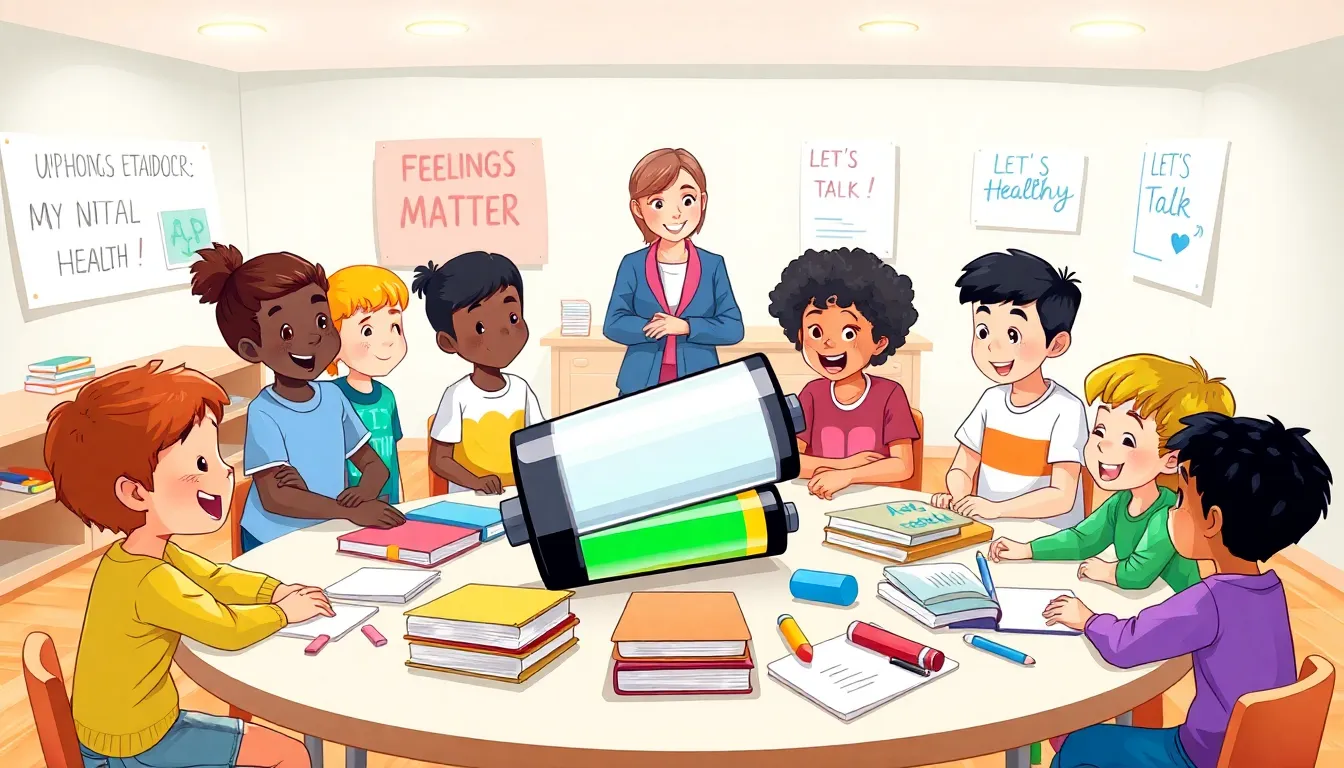
Mental health, in simple terms, refers to our emotional, psychological, and social well-being. It affects how kids think, feel, and act as they grow. Importantly, mental health influences how they handle stress, relate to others, and make choices. For children, understanding mental health helps them learn about their own feelings and those of others. Think of it this way: mental health is like the battery that powers a toy. When it’s fully charged, the toy works perfectly, but what happens if the battery is low? The toy might not function well.
Why Is Mental Health Important?
Mental health is crucial for children because it lays the foundation for their future. Children with good mental health are more likely to excel academically and build strong relationships. On the flip side, if they’re struggling, it can impact their happiness, friendships, and even physical health. In fact, studies indicate that mental well-being in childhood can lead to successful adulthood. These little minds need care just like their bodies do.
Common Myths About Mental Health
Diving into the realm of mental health often reveals a plethora of myths. One common misconception is that mental health issues are a sign of weakness. In reality, mental health challenges are normal experiences, just like catching a cold isn’t a reflection of character. Another myth? That mental health only matters when things get “really bad.” In fact, regular check-ups on mental well-being can prevent problems down the road. It’s essential to dispel these myths and create open conversations about mental health among kids.
Recognizing Signs of Mental Health Issues
How Mental Health Affects Daily Life
Recognizing signs of mental health issues is vital, as kids may not always express what they feel. Symptoms can range from withdrawal and changes in sleeping patterns to academic struggles or changes in eating habits. Parents and caregivers should watch for sudden behavioral shifts: these might be clues that something deeper is happening. Understanding how these issues affect daily life can prompt timely help and interventions.
Building Resilience in Children
Ways to Support Children’s Mental Health
Supporting children’s mental health involves creating a nurturing environment where they feel safe and valued. Encouraging open communication allows children to express themselves freely. It’s also important for adults to model healthy coping strategies, like talking about their own feelings or demonstrating mindfulness practices.
Activities to Improve Mental Well-Being
Engaging kids in activities that promote mental well-being can be incredibly beneficial. Simple practices like journaling, meditation, or arts and crafts can serve as excellent outlets for expression. Outdoor activities and regular exercise can enhance mood and reduce anxiety. Also, fostering friendships through group games or team sports can help cultivate a sense of belonging and support.


