
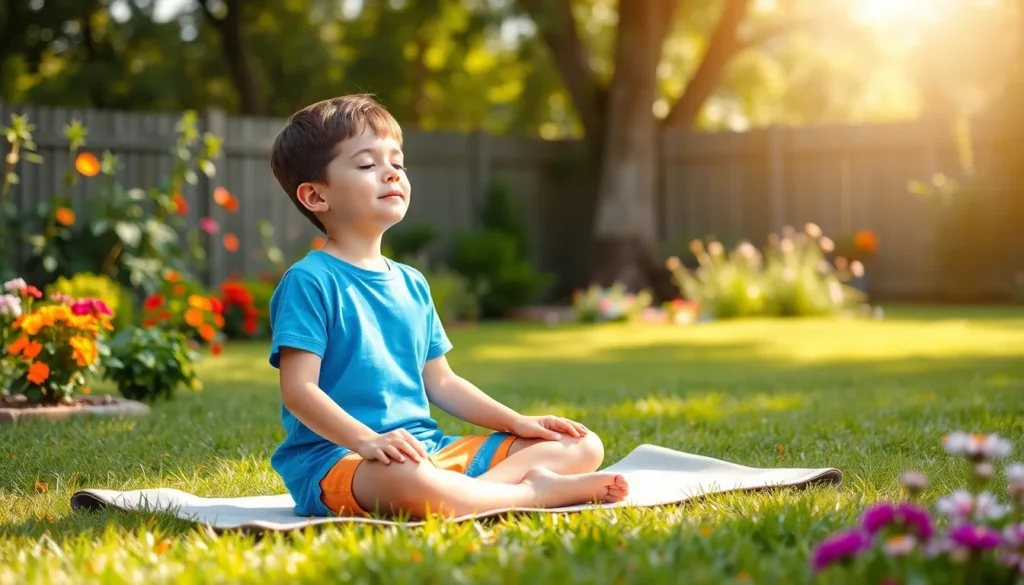
In today’s fast-paced world, kids often face stress and anxiety that can affect their well-being. With school pressures, social dynamics, and the constant bombardment of technology, it’s crucial to equip children with effective relaxation techniques. These skills not only foster emotional resilience but also enhance focus and creativity.
Parents and caregivers play a vital role in introducing simple yet powerful methods to help children unwind. From deep breathing exercises to mindfulness practices, these techniques can transform a chaotic day into a peaceful one. By incorporating relaxation strategies into daily routines, kids can learn to manage their emotions and develop a healthier mindset for the challenges they face.
Understanding Kids Relaxation Techniques
Kids today encounter various stressors that can affect their emotional and mental well-being. Knowing effective relaxation techniques helps children build resilience and cope with daily pressures.
Importance of Relaxation for Children
Relaxation plays a crucial role in children’s development. Relaxation techniques can enhance emotional regulation, boost focus, and cultivate creativity. Regular practice of relaxation methods helps children lower anxiety levels, improve sleep quality, and foster a sense of calm. By teaching kids to unwind, parents and caregivers encourage healthy coping strategies that support their overall well-being.
Common Stressors in Kids
Kids face numerous stressors that can lead to anxiety and tension. Common stressors include:
- Academic pressure: Increased homework and expectations can overwhelm children and lead to stress.
- Social dynamics: Friendships and peer relationships often create social anxiety and self-esteem issues.
- Family changes: Events such as divorce or moving can upset children’s sense of security.
- Technology influence: Excessive screen time and social media exposure can induce feelings of inadequacy and isolation.
- Extracurricular activities: Balancing multiple commitments can lead to feelings of being over-scheduled.
Recognizing these stressors enables parents to introduce suitable relaxation techniques for their children to navigate challenges effectively.
Types of Relaxation Techniques
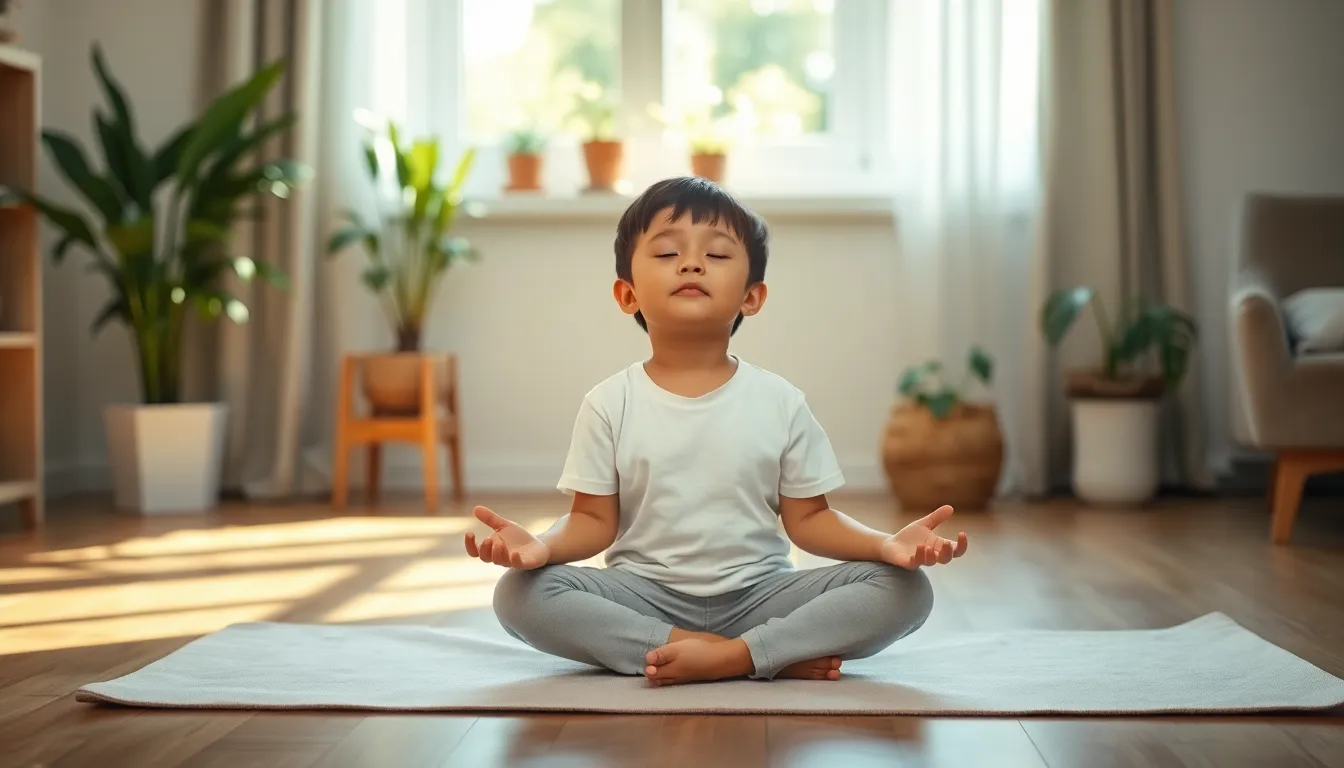
Various relaxation techniques can help children manage stress and build emotional resilience. Here are three effective methods:
Breathing Exercises
Breathing exercises promote calmness and reduce anxiety. Children can practice deep belly breathing by placing a hand on their stomach and inhaling deeply through the nose, allowing the stomach to expand. Exhaling slowly through the mouth helps to release tension. Techniques such as 4-7-8 breathing involve inhaling for four seconds, holding for seven seconds, and exhaling for eight seconds. These exercises can be practiced anywhere, making them accessible and easy to incorporate into daily routines.
Guided Imagery
Guided imagery involves using the imagination to create calming mental images. Children can listen to recordings or guided sessions that describe peaceful scenes, such as a beach or a forest. This technique encourages relaxation by allowing children to visualize serene places, helping to distract them from stressors. It promotes a sense of safety and tranquility, fostering emotional well-being. Parents can initiate this practice by asking children to close their eyes, breathe deeply, and visualize a calming environment, enhancing their focus and relaxation.
Progressive Muscle Relaxation
Progressive muscle relaxation (PMR) teaches children to release tension throughout their bodies. Important steps involve systematically tensing and relaxing different muscle groups, starting from the toes and moving up to the head. For example, children can clench their fists tightly for five seconds, then release, noticing the difference between tension and relaxation. This technique helps children become aware of physical sensations and promotes overall physical and mental relaxation, contributing to better stress management. Regular practice of PMR can enhance children’s ability to cope with anxiety and improve focus.
Implementing Relaxation Techniques at Home
Creating a supportive atmosphere at home encourages children to engage in relaxation techniques. Parents can integrate these methods seamlessly into family life.
Creating a Calm Environment
Creating a calm environment involves minimizing distractions and promoting tranquility. Parents can:
- Designate a Quiet Space: Set up a specific area in the home for relaxation. This space should have soft lighting, calming colors, and comfortable seating.
- Reduce Noise Levels: Limit background noise by turning off televisions, radios, and other devices during relaxation times.
- Incorporate Nature Elements: Use plants, natural materials, and soothing fragrances to create a serene atmosphere. Incorporating elements such as essential oils can enhance relaxation.
- Establish Routine: Maintain consistent times for relaxation, signaling to children that it’s a priority. Regularity fosters familiarity and comfort.
Incorporating Techniques into Daily Routines
Incorporating relaxation techniques into daily routines fosters consistency and effectiveness. Parents can:
- Schedule Breathing Exercises: Integrate five-minute breathing breaks into morning or evening routines. Encourage children to focus on inhaling slowly through the nose and exhaling gently through the mouth.
- Use Mindfulness During Activities: Encourage mindfulness during daily activities, like eating or walking. Guide children to focus on their senses and surroundings, helping them stay grounded and reducing anxiety.
- Explore Guided Imagery Before Sleep: Introduce guided imagery as part of bedtime rituals. Parents can narrate calming scenes that help children drift into relaxation and better sleep.
- Promote Progressive Muscle Relaxation (PMR): Teach PMR during quiet time. Gradually guide children through tensing and relaxing each muscle group while lying down or sitting comfortably.
By creating a calm environment and incorporating relaxation techniques into daily routines, parents support children’s emotional well-being and resilience effectively.
Benefits of Kids Relaxation Techniques
Kids’ relaxation techniques offer several advantages that contribute to their overall well-being, helping them manage stress effectively.
Improved Focus and Concentration
Improved focus and concentration result from regular practice of relaxation techniques. Techniques such as deep breathing and mindfulness help calm the mind. This calming effect allows children to concentrate better on tasks like studying or completing homework. Research shows that stress can impair cognitive function and attention span, so incorporating relaxation practices can counteract these effects. Enhanced attention translates into better academic performance and a more positive learning experience.
Enhanced Emotional Well-Being
Enhanced emotional well-being occurs as children engage in relaxation practices. Techniques like guided imagery and progressive muscle relaxation promote emotional regulation, helping kids understand and express their feelings. Regular practice reduces anxiety levels, increases resilience, and fosters a sense of security. As children learn to manage their emotions effectively, they experience improved interpersonal relationships and higher self-esteem. Enhanced emotional health contributes to a more balanced approach to life’s challenges.
Implementing relaxation techniques can significantly enhance children’s ability to manage stress and anxiety. By fostering emotional resilience and improving focus, these practices lay a foundation for healthier coping mechanisms. Parents and caregivers play a vital role in this process by creating a supportive environment and incorporating relaxation into daily routines.
As children learn to navigate their emotions and the pressures around them, they’ll develop skills that serve them throughout their lives. Embracing these techniques not only promotes well-being but also nurtures creativity and emotional intelligence. Prioritizing relaxation in children’s lives is an investment in their future happiness and success.


