
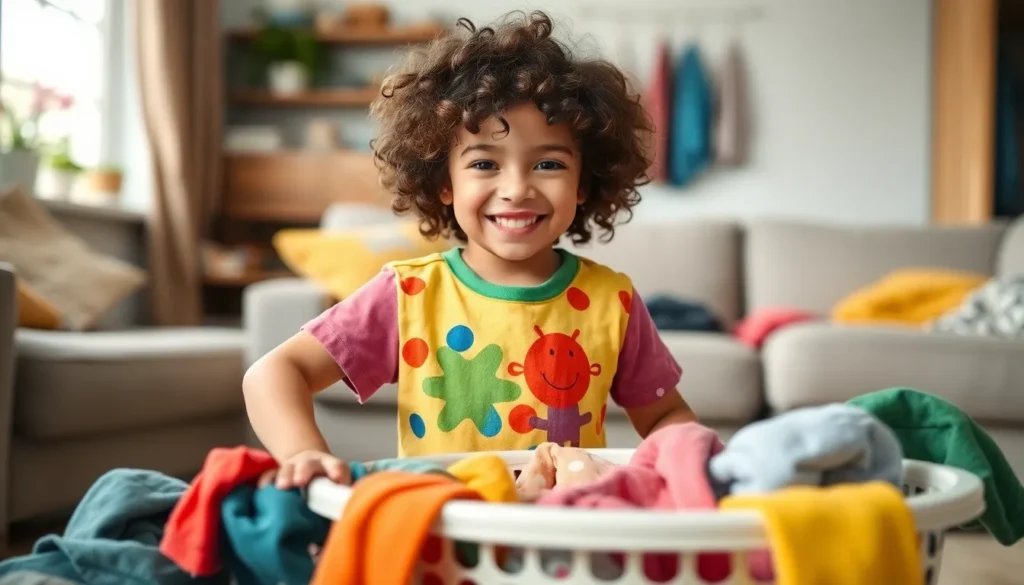
Involving preschoolers in household chores can be a game changer for both parents and children. Not only does it foster a sense of responsibility, but it also helps develop essential life skills at an early age. When kids participate in daily tasks, they learn the value of teamwork and the importance of contributing to their family.
Chores can be fun and engaging for young children, turning mundane activities into exciting adventures. By incorporating play into tasks like sorting laundry or setting the table, parents can create a positive atmosphere that encourages cooperation. This approach not only strengthens family bonds but also instills a sense of accomplishment in little ones, setting the foundation for a lifetime of good habits.
Importance Of Including Preschoolers In Chores
Involving preschoolers in chores creates a foundation for responsibility and essential life skills. Engaging young children in daily tasks fosters a sense of belonging and teamwork within the family.
Developing Responsibility
Engaging preschoolers in chores promotes accountability. Completing tasks like setting the table or sorting laundry teaches them the significance of contributing to family responsibilities. As they successfully finish chores, they gain confidence in their abilities, reinforcing positive behavior and instilling a lasting sense of responsibility.
Building Life Skills
Involvement in household chores equips preschoolers with vital life skills. Activities such as dusting, watering plants, or organizing toys enhance their problem-solving and motor skills. Chores also teach them the importance of time management and cooperation, preparing them for more complex tasks as they grow. Engaging in these activities creates a strong foundation for future independence and adaptability.
Effective Chores For Preschoolers
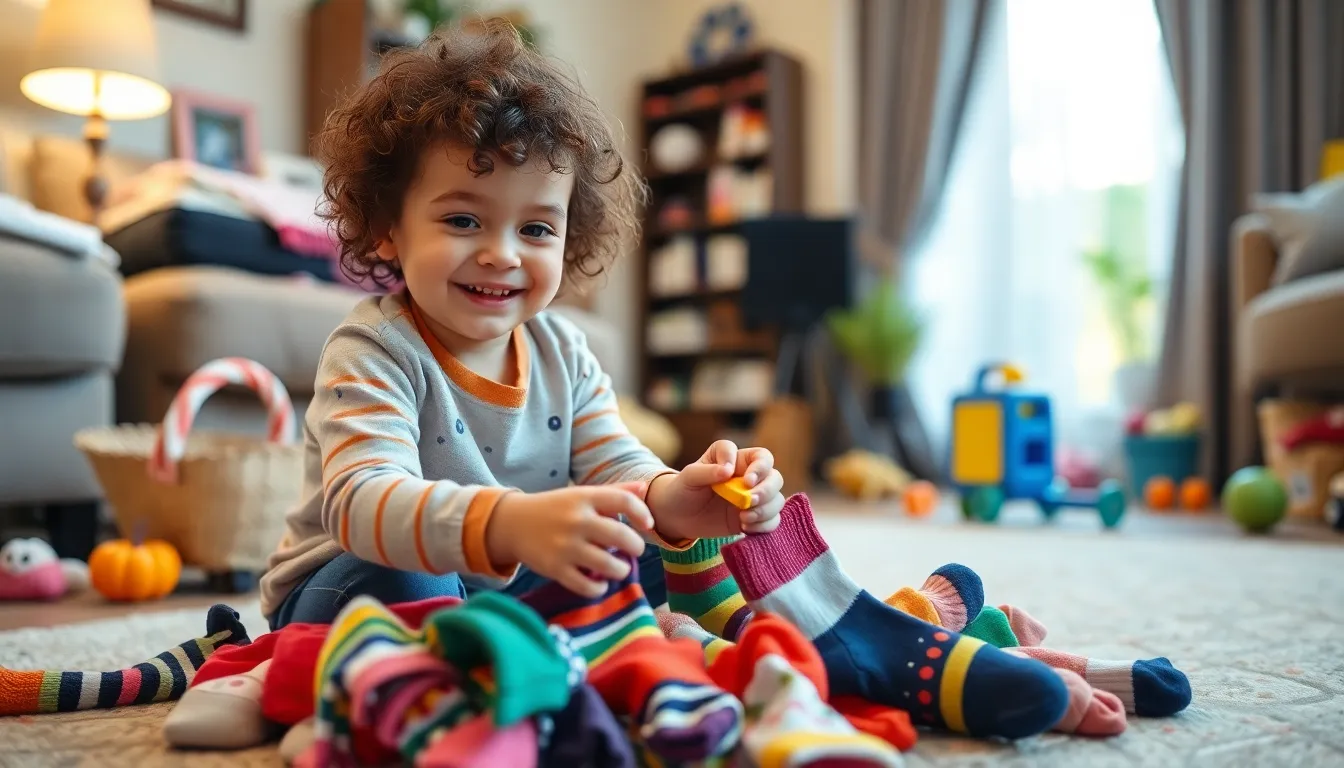
Involving preschoolers in chores enhances their development and fosters a sense of belonging within the family. The following tasks fit well for young children, promoting both learning and enjoyment.
Age-Appropriate Tasks
- Sorting laundry: Preschoolers can match socks or separate clothes by color.
- Setting the table: Children can place utensils, plates, and cups in their respective spots.
- Dusting: Using a microfiber cloth, preschoolers can wipe surfaces, learning about cleanliness.
- Watering plants: Kids can take turns pouring water into pots or garden beds, understanding care for living things.
- Organizing toys: Children can group similar toys together or put them back in designated bins.
Fun and Engaging Activities
- Color-coded chore charts: Visual aids help preschoolers track tasks, adding excitement to completion.
- Chore songs: Singing while performing chores makes the experience lively and entertaining.
- Timed challenges: Setting a timer for tasks encourages quick completion and friendly competition.
- Playful role-play: Pretending to be chefs, cleaners, or gardeners during chores makes tasks enjoyable.
- Reward systems: Using stickers or small incentives for completed chores motivates and encourages them.
Tips For Involving Preschoolers In Chores
Involving preschoolers in chores requires effective strategies to make the experience enjoyable and rewarding. Implementing structured routines and encouraging participation fosters a sense of responsibility and teamwork.
Creating a Routine
Establishing a consistent cleaning routine helps preschoolers understand expectations. Designate specific times for chores, such as before meals or after playtime, to create predictability. Assign simple tasks like putting away toys or wiping the table every day, reinforcing their role in family activities. Use visual schedules with pictures to illustrate chores, making it easy for children to follow along. Consistency not only builds habits but also empowers preschoolers by providing them with a clear understanding of what to expect.
Encouraging Participation
Encouraging participation involves making chores engaging and relevant. Involve preschoolers in decisions about which chores they want to help with, fostering a sense of ownership. When children choose tasks, they feel more invested in their contributions. Use positive reinforcement to celebrate completed chores, offering praise or stickers as rewards. Incorporate fun elements like singing chore songs or turning tasks into a friendly competition, promoting enthusiasm. Engage them in discussions about how their efforts help the family, connecting their contributions to the larger picture of teamwork and shared responsibilities.
Benefits Of Involving Preschoolers In Chores
Involving preschoolers in chores offers numerous advantages that contribute to their development and family dynamics. These benefits range from strengthening family bonds to enhancing self-esteem.
Strengthening Family Bonds
Engaging preschoolers in household chores promotes teamwork and cooperation among family members. Children feel valued when they contribute, leading to greater emotional connections. Collaborative tasks, such as cooking or cleaning, encourage communication and foster a sense of belonging. Families that work together on chores create shared experiences, reinforcing relationships and nurturing a supportive environment.
Enhancing Self-Esteem
Completing chores helps preschoolers develop a sense of accomplishment, boosting their self-esteem. Successfully finishing tasks, like setting the table or organizing toys, gives them pride in their contributions. Positive reinforcement from parents, such as praise or rewards, further enhances their confidence. As children see the results of their efforts, they become more willing to tackle new tasks, fostering independence and resilience.
Including preschoolers in household chores is a powerful way to nurture responsibility and essential life skills. As children engage in tasks like setting the table or sorting laundry, they not only learn the importance of contributing to family life but also gain confidence and a sense of accomplishment.
By making chores enjoyable and interactive, families can strengthen their bonds while teaching valuable lessons in teamwork and cooperation. These early experiences lay the foundation for future independence and resilience, setting children up for success as they grow. Embracing this approach transforms chores from mundane tasks into meaningful opportunities for learning and connection.


