
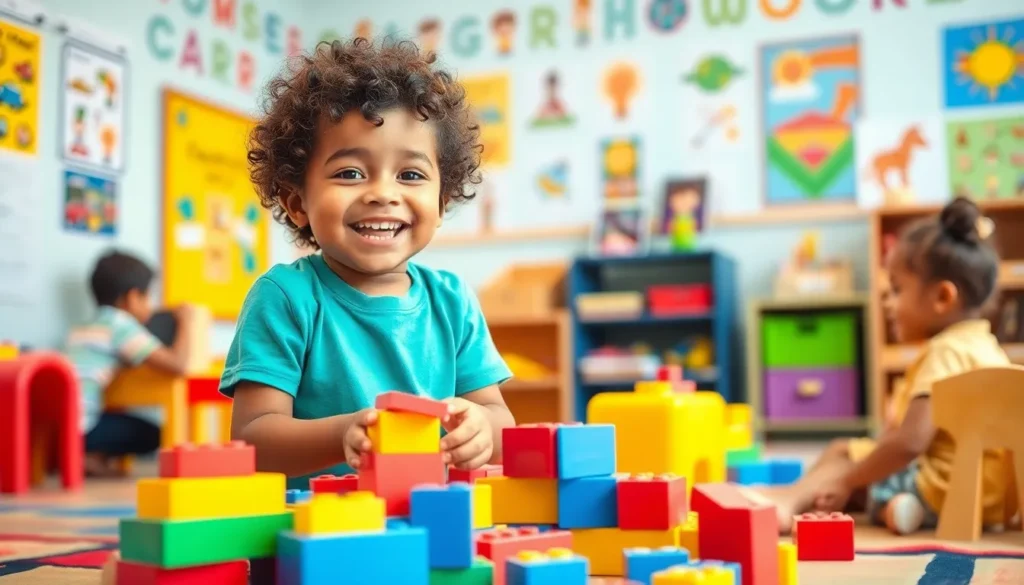
Choosing the right preschool can set the foundation for a child’s lifelong learning journey. With countless options available, parents often find themselves overwhelmed by the choices. The best preschools not only foster academic skills but also promote social development, creativity, and emotional well-being.
It’s essential to consider factors like curriculum, teacher qualifications, and the overall environment when selecting a preschool. Each child is unique, and finding a program that aligns with their needs and personality can make all the difference. This guide highlights some of the top preschools, making it easier for parents to navigate this crucial decision.
Understanding Quality in Preschools
Quality in preschools greatly influences a child’s development and lifelong learning. Understanding the elements that contribute to quality helps parents make informed choices.
Importance of Early Childhood Education
Early childhood education lays the foundation for future growth. Research shows that quality preschool programs enhance cognitive skills, social abilities, and emotional health. Children who participate in structured learning environments demonstrate improved language development, problem-solving capabilities, and academic readiness. Studies indicate that 70% of brain development occurs before age five, highlighting the critical nature of these early years.
Factors to Consider When Choosing a Preschool
Several factors guide selection in preschool choices:
- Curriculum: Look for a curriculum that promotes holistic development, including social, emotional, cognitive, and physical growth.
- Teacher Qualifications: Assess the education and experience of teachers, as qualified educators significantly influence children’s learning experiences.
- Class Size: Smaller class sizes typically allow for more personalized attention, facilitating better teacher-student interactions.
- Safety and Cleanliness: Ensure the preschool environment adheres to safety standards, including secure facilities and sanitary conditions.
- Parent Involvement: Consider programs that encourage parent participation, fostering a community that supports children’s education.
- Reputation: Research the preschool’s reputation through reviews and testimonials from other parents and educational experts.
Evaluating these factors ensures a well-rounded preschool experience, paving the way for children’s future educational success.
Top Criteria for Evaluating Best Preschools
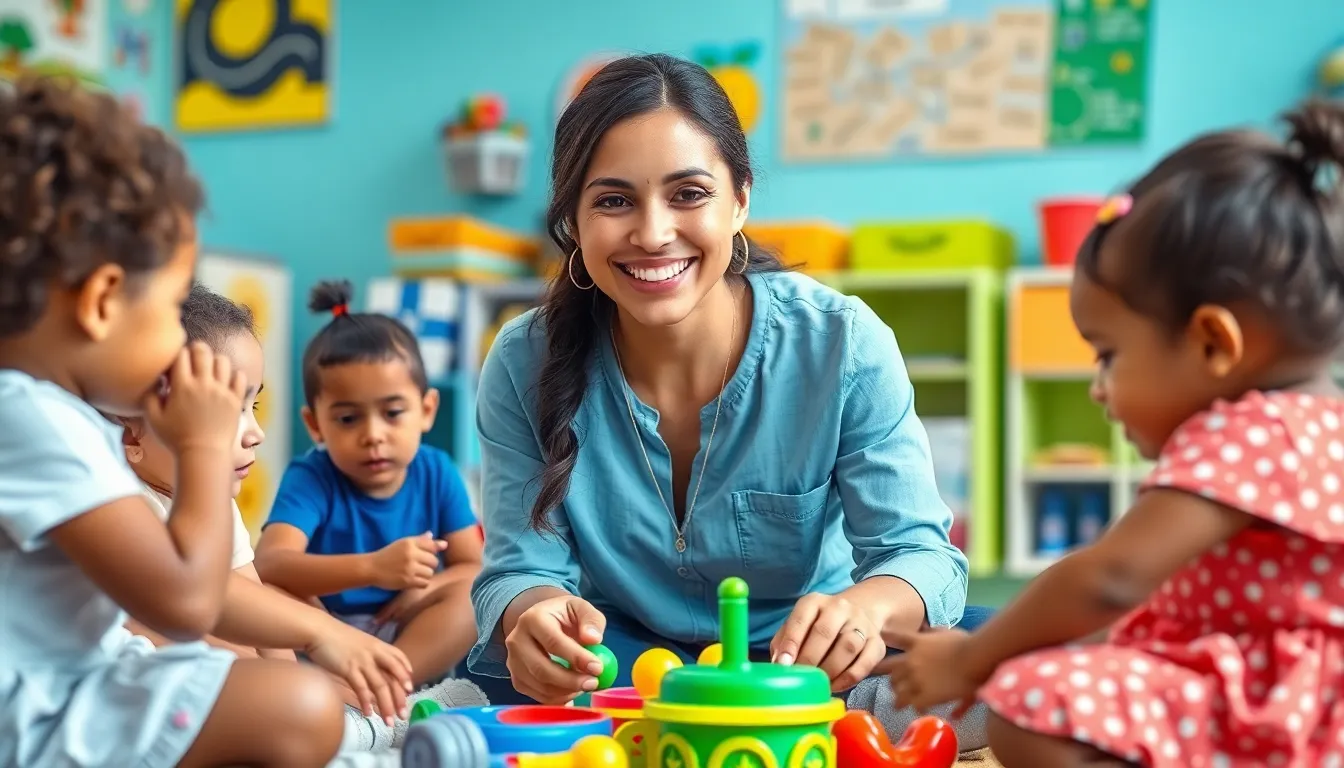
Evaluating preschools requires careful consideration of several key criteria. These factors help determine the quality of education and overall experience a child will receive.
Curriculum and Learning Approaches
Curriculum plays a crucial role in a child’s educational foundation. Look for programs that offer developmentally appropriate content aligned with early learning standards. Seek out preschools utilizing play-based, experiential learning approaches. These methodologies foster creativity and promote critical thinking. Additionally, consider programs that incorporate social-emotional learning, as these skills are essential for success in school and beyond.
Teacher Qualifications and Experience
Teacher qualifications significantly impact a child’s educational experience. Evaluate the credentials of preschool educators, including degrees in early childhood education and relevant certifications. Ensure teachers participate in ongoing professional development to stay current with best practices. Observing teacher interactions with students provides insight into their teaching styles and how they foster positive learning environments.
Class Size and Student-to-Teacher Ratio
Class size and student-to-teacher ratios directly influence the quality of interaction children receive. Smaller class sizes allow for more individualized attention, enhancing children’s learning experiences. Aim for a student-to-teacher ratio of 10:1 or lower. This ratio enables teachers to better understand each child’s needs, facilitating stronger relationships and promoting academic growth.
Review of the Best Preschools
This section examines several outstanding preschools, detailing their unique features and educational approaches. Parents can compare these options to identify the best fit for their child’s needs.
Preschool A: Overview and Features
Preschool A offers a play-based curriculum focused on holistic development. It emphasizes social skills, creativity, and critical thinking through hands-on activities. With certified educators who possess a minimum of five years of experience, the preschool maintains high teaching standards. Class sizes are capped at 10 children per teacher, ensuring personalized attention. Parents appreciate the strong community involvement and frequent updates on their child’s progress.
Preschool B: Overview and Features
Preschool B incorporates a blend of structured learning and free play, promoting cognitive and emotional growth. The curriculum aligns with national early learning standards, covering literacy, math, and social-emotional development. Highly qualified staff members, including specialists in early childhood education, support individualized learning plans. A student-to-teacher ratio of 8:1 allows for effective interaction and enrichment activities. Regular workshops encourage active parent participation in the educational process.
Preschool C: Overview and Features
Preschool C stands out with its focus on nature-based learning. The program cultivates environmental awareness and responsibility through outdoor exploration. Educators emphasize experiential learning, engaging children in hands-on projects that develop problem-solving skills. The school follows a 10:1 student-to-teacher ratio, ensuring sufficient support for each child’s needs. Parents commend the preschool’s commitment to diversity and inclusion, creating a welcoming atmosphere for all families.
Tips for Parents on Choosing the Right Preschool
Choosing the right preschool involves thorough research and active engagement. Parents can utilize various strategies to ensure they select the best option for their child’s needs.
Visiting and Observing Schools
Visiting and observing preschools offers valuable insights. Parents should schedule tours to evaluate the environment. During visits, they should note the cleanliness and safety of the facilities. Attention to classroom layouts encourages exploration and social interaction. Observing interactions between teachers and children reveals the nurturing aspect of the program. Engaging with staff helps parents assess the school’s commitment to developmentally appropriate practices, which can directly influence a child’s growth.
Asking the Right Questions
Asking informed questions supports parents in gathering essential information. Consider asking about the curriculum’s philosophy and how it addresses various learning styles. Inquire about the qualifications and experience of the teaching staff. Questions regarding class size and student-to-teacher ratios clarify the level of individualized attention. Ask about how the preschool handles discipline, parent involvement opportunities, and any formal assessment processes. Understanding the school’s policies on health and safety ensures that parents make a well-rounded decision.
Choosing the right preschool is a pivotal step in a child’s educational journey. With so many options available parents can feel overwhelmed. By focusing on key factors such as curriculum quality teacher qualifications and class size they can make informed decisions that cater to their child’s unique needs.
Quality early childhood education lays the foundation for cognitive social and emotional development. The right preschool experience can foster a love for learning that lasts a lifetime. Engaging with preschools through visits and asking the right questions will empower parents to find a nurturing environment that supports their child’s growth. Ultimately the best preschool choice will set the stage for future academic and personal success.


