
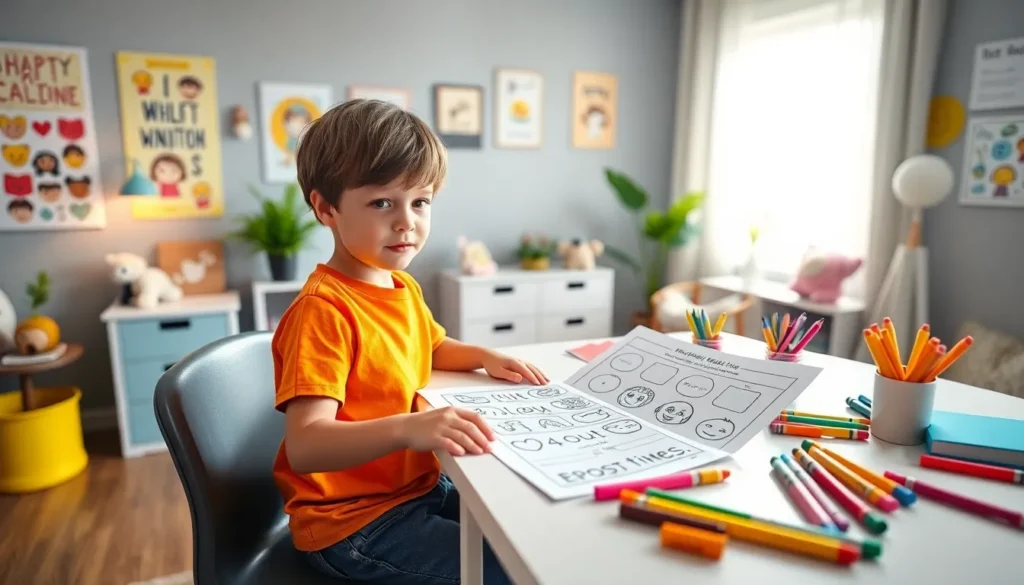
Navigating the tumultuous waters of childhood isn’t easy. Kids face a barrage of emotions daily, from the pure joy of a new toy to the despair of a forgotten assignments assignment. Just like we all need a helping hand sometimes, children also benefit from structured support to manage their feelings. This is where mental health worksheets come into play. These fun, engaging resources offer kids a creative outlet to understand their emotions, tackle stress, and build resilience. Buckle up, this journey through the world of mental health worksheets will be both insightful and entertaining.
Understanding Mental Health in Children

Mental health is a crucial aspect of a child’s overall development. It influences how they think, feel, and act. When we talk about mental health in children, it’s not just about avoiding mental illness. It involves fostering positive emotions and behaviors, maintaining vibrant social interactions, and achieving academic success.
Statistics reveal that approximately 1 in 5 children experiences a mental health disorder, which means many kids may struggle with their feelings the same way they struggle with math problems. It’s essential to recognize signs such as extreme mood swings, withdrawal from friends and activities, or sudden changes in behavior. Understanding these indicators can help caregivers provide the appropriate support before problems escalate.
Importance of Mental Health Worksheets
Workbooks can serve as a vital bridge connecting knowledge and application for kids. Mental health worksheets offer structured activities that encourage children to articulate their feelings and thoughts, leading to a better understanding of their emotional world. By engaging in these exercises, children can develop coping strategies and emotional regulation skills.
Worksheets address topics like stress management, emotional awareness, and communication, helping to break down complex feelings into manageable pieces. They make discussing mental health less daunting and more accessible, allowing kids to express themselves openly without fear of judgment. After all, if they can doodle their emotions instead of just talking about them, it might feel less intimidating.
Types of Mental Health Worksheets
Mental health worksheets come in various styles, each tailored to target specific developmental needs. Here are a few popular types that kids could benefit from:
1. Emotion Identification Worksheets
These worksheets help children recognize and name their feelings. By using colorful images and simple prompts, kids can point out what emotions they are experiencing, whether it’s happiness, sadness, or frustration.
2. Coping Skills Worksheets
These are designed to empower children with strategies to handle difficult emotions. Worksheets might include prompts to brainstorm different coping techniques, from deep breathing exercises to coloring a mandala.
3. Thought Journals
Children can keep track of their daily thoughts and emotions with thought journals. These worksheets encourage kids to reflect on their experiences and evaluate their feelings, fostering self-awareness.
4. Gratitude Worksheets
Gratitude is a powerful tool in promoting positive mental health. Worksheets that guide kids to list things they are thankful for can shift focus from negative to positive thinking.
Implementing Worksheets in a Daily Routine
Integrating mental health worksheets into a child’s daily routine can be straightforward and beneficial. Here are practical suggestions:
- Set a specific time for the short worksheets. Maybe after school when emotions from the day are still fresh, or as part of winding down at bedtime.
- Create a cozy space for this activity. A comfortable environment can make the process feel safe and inviting.
- Make it fun. Turn the worksheet sessions into enjoyable bonding moments by using stickers or colorful pencils. Kids are more likely to engage with something that feels less like assignments and more like play.
Tips for Encouraging Kids to Use Worksheets
Motivating kids to use worksheets doesn’t have to be a Herculean task. Here are some tried-and-true strategies:
- Lead by example. Share your own feelings and how you manage them. Kids are often more open when they see adults navigating their emotions too.
- Make it a family activity. Small group discussions can normalize the subject, prompting kids to participate without feeling singled out.
- Celebrate achievements. Acknowledge when they complete a worksheet, no matter how small. Rewards don’t have to be grand: even a smile and praise can go a long way.
Resources for Mental Health Worksheets
Several resources offer a treasure trove of mental health worksheets suited for children. Websites such as:
- Therapy Aid Coalition offers free printable worksheets that can be adapted for various age groups.
- Mindfulness for Kids provides engaging materials that promote mindfulness alongside emotional literacy.
- The National Association of School Psychologists has a collection of resources for parents and educators focusing on children’s emotional well-being.
These platforms enhance accessibility to mental health resources, ensuring children and caregivers can find the tools they need to support emotional growth.


