
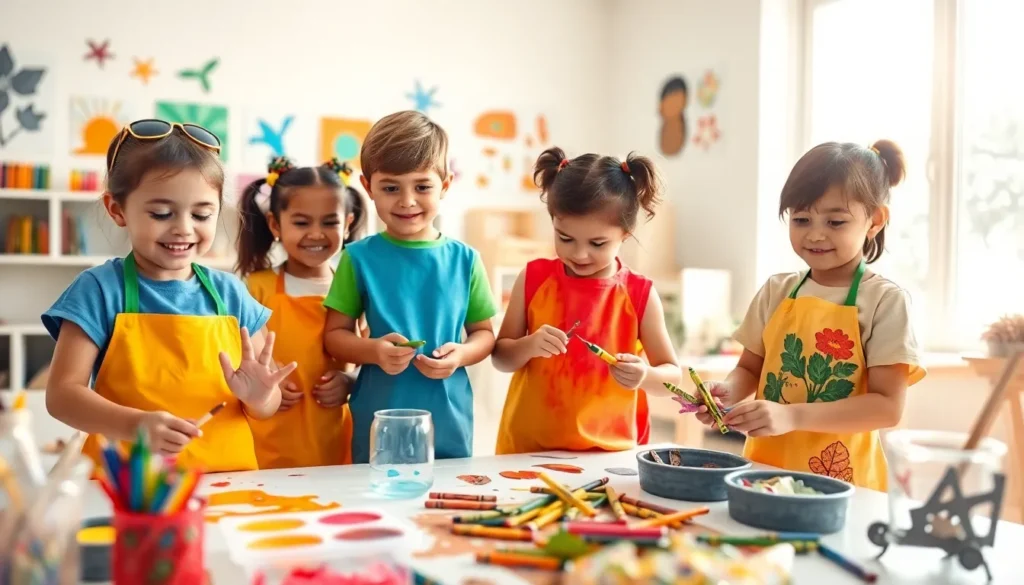
Imagine a world where tiny hands unleash big imaginations. With art for preschoolers, this vibrant world is not just a dream, it’s a delightful reality. Engaging in artistic activities doesn’t just keep kids busy: it’s a gateway to boosting cognitive skills, emotional expression, and social connections. Let’s investigate into the colorful reasons why art is essential in early childhood development, plus some exciting activities that will inspire your little Picassos.
The Importance Of Art In Early Childhood Development
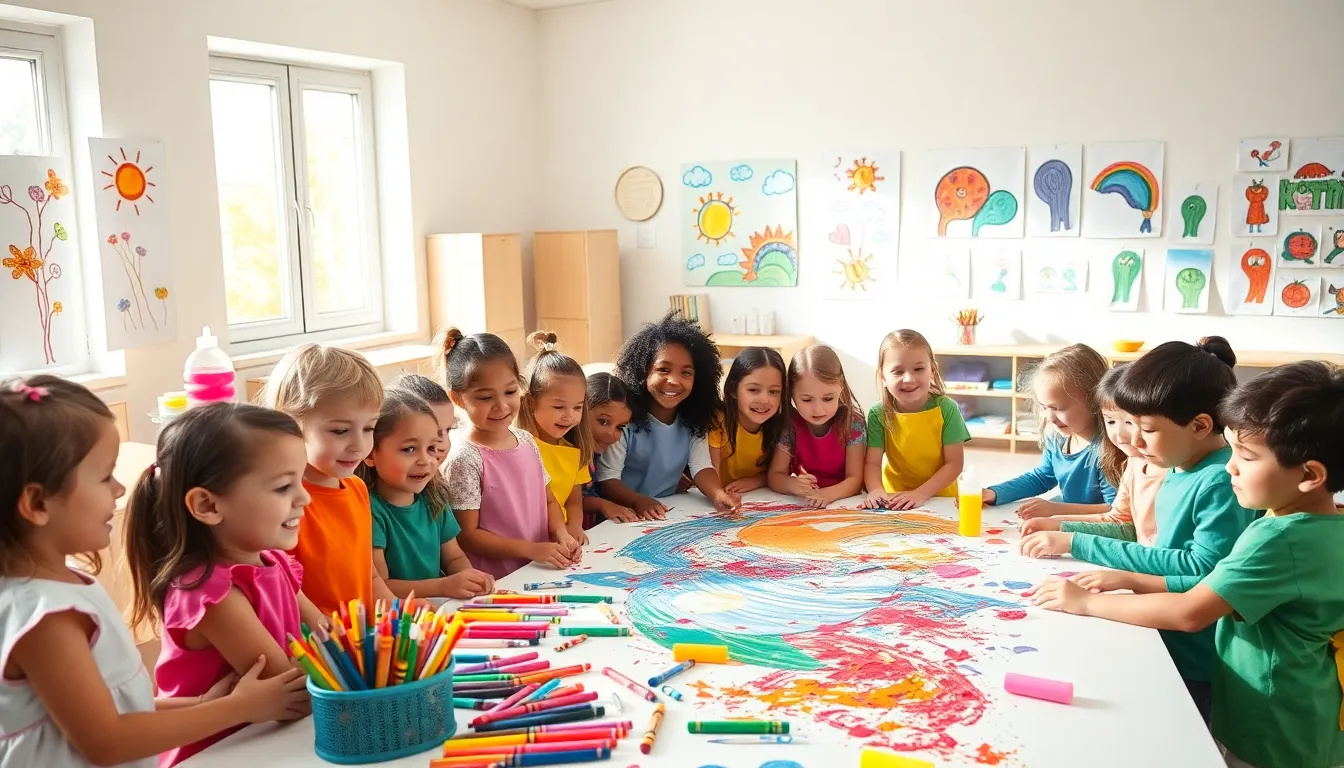
Art for preschoolers is not merely a fun pastime: it plays a crucial role in holistic developmental milestones. Through creativity, children learn more than just colors and shapes. They embark on a journey that enhances their cognitive abilities and emotional development.
Benefits Of Art Activities For Preschoolers
Art activities provide numerous benefits, ranging from improved fine motor skills to enhanced cognitive development. Manipulating brushes, crayons, and various materials helps strengthen hand-eye coordination. This foundational skill is essential as they transition to more complex tasks, like writing and even everyday activities.
Enhancing Cognitive Skills Through Art
The process of creating art engages various cognitive processes. When preschoolers mix colors, they learn about cause and effect. As they navigate decision-making during art projects, they sharpen problem-solving skills. These cognitive enhancements lay the groundwork for more advanced learning as they grow.
Encouraging Emotional Expression With Art
Art serves as a powerful avenue for emotional expression in young children. Through drawing, painting, or sculpting, they can convey feelings that they might not yet have the language to articulate. This emotional outlet helps in developing self-awareness and coping strategies, empowering children to communicate their emotions in healthy ways.
Fostering Social Skills In Group Art Activities
When children work on art projects together, they naturally cultivate social skills. Collaboration on a large mural or sharing materials fosters teamwork and patience. These group art activities instill vital skills, such as negotiation and compromise, while also showcasing the importance of different perspectives and ideas.
Types Of Art Activities For Preschoolers
Now that we understand the importance of art, let’s explore specific activities to engage preschoolers in a creative frenzy.
Drawing And Painting Activities
Drawing and painting are perhaps the most instinctive forms of expression for young children. Simple activities like finger painting encourage sensory exploration and unleash creativity. Providing a variety of materials, like watercolor paints, chalk, and crayons, can further enhance their experiences while keeping the process enjoyable.
Craft Projects Using Recyclables
Recycling isn’t just for adults: it can become a fun and educational art project for preschoolers. Using materials like cardboard boxes, toilet paper rolls, and plastic bottles, children can transform everyday items into beautiful crafts. This not only sparks creativity but also teaches the importance of sustainability and resourcefulness.
Exploring Textures And Collages
Encouraging kids to explore textures enables them to engage with art on multiple sensory levels. Collecting items from nature, such as leaves, flowers, or pebbles, allows for the creation of textured collages. This hands-on activity boosts their tactile awareness and invites imaginative representations.
Incorporating Nature Into Art Projects
Nature can serve as an inspiring backdrop for art projects. Kids can create leaf rubbings, paint rocks, or even build a nature-themed collage. These activities promote a connection to the environment while fostering creativity and outside-the-box thinking.
Tips For Facilitating Art Activities At Home
Facilitating art at home can be a rewarding experience for both parents and preschoolers. Here are some practical tips to ensure that creativity flourishes.
Creating A Safe And Inspiring Art Space
Designate an area in your home that’s free from distractions and safe for artistic exploration. Cover the workspace with a drop cloth to protect surfaces from paint and glue. This dedicated art space makes the experience feel special and encourages your child to engage in creative activities.
Choosing Age-Appropriate Materials
When selecting materials, it’s essential to choose options that are safe and appropriate for preschoolers. Look for non-toxic paints, crayons, and glues that will nourish their artistic endeavors without causing harm. Engaging with materials suited to their developmental stage ensures a positive art experience.
Encouraging Creativity Without Pressure
It can be tempting to guide children toward a specific outcome in their art projects. But, allowing them the freedom to express themselves without fear of critique is essential. Celebrate their efforts and ideas, no matter the result. This supportive environment nurtures confidence and a love for art.
Showcasing Children’s Artwork
Once young artists complete their masterpieces, it’s important to celebrate their creations. Here’s how to give their art the spotlight it deserves.
Creating An Art Gallery At Home
Transform a wall in your home into an art gallery by displaying their creations. Using strings and clothespins or even frames can create a fun and eye-catching showcase. Regularly rotating their artwork keeps the display fresh and instills a sense of pride in their accomplishments.
Celebrating Progress Over Perfection
Encourage preschoolers by focusing on their efforts, not just the final product. Celebrate the process of creating rather than the result. Doing so will help them appreciate their journey in art, fostering a lifelong love for creativity.


