
Navigating the complexities of childhood emotions can be challenging for both kids and parents. Child therapy offers a safe space for children to express their feelings and develop coping skills. With the right techniques, therapists can guide young minds through their struggles, fostering resilience and emotional intelligence.
Creative therapy ideas play a crucial role in engaging children. Incorporating play, art, and storytelling not only makes therapy enjoyable but also helps kids communicate in ways that resonate with them. This article explores innovative child therapy ideas that can empower children to overcome obstacles, enhance their self-esteem, and build healthy relationships. By understanding these approaches, parents and caregivers can support their children’s emotional growth effectively.
Overview of Child Therapy Ideas
Child therapy encompasses various innovative techniques designed to promote emotional growth and foster resilience in children. Engaging therapy ideas support healthy emotional expression and help children navigate challenges effectively.
Play Therapy
Play therapy uses play as a medium for children to express their thoughts and feelings. It allows for the development of problem-solving skills. Therapists often incorporate toys, games, and creative activities to create a safe environment.
Art Therapy
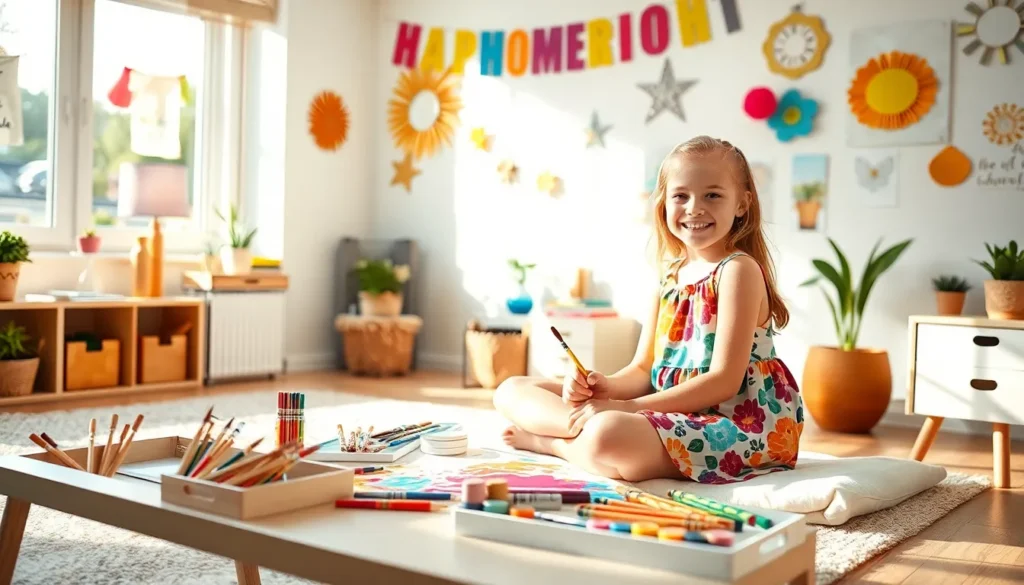
Art therapy utilizes creative processes to facilitate emotional expression. Children create artwork to communicate feelings that they may struggle to verbalize. This method enhances self-awareness and boosts self-esteem through creative exploration.
Storytelling
Storytelling encourages children to connect with narratives that mirror their experiences. It provides a platform for discussing emotions and coping strategies. Through stories, children learn empathy and emotional intelligence.
Mindfulness Techniques
Mindfulness techniques introduce children to relaxation and focus. Activities such as deep breathing and guided imagery can calm anxiety and enhance self-regulation. These practices teach children to remain present and manage overwhelming feelings.
Nature Therapy
Nature therapy involves outdoor activities that promote mental well-being. Nature walks, gardening, and outdoor play are effective ways to reduce stress and enhance mood. Exposure to natural environments improves emotional resilience.
Group Therapy
Group therapy provides a supportive community for children to share experiences. Group dynamics foster social skills and instill a sense of belonging. Children learn to interact and support each other, promoting teamwork and friendship.
These child therapy ideas offer varied approaches to support emotional growth. They encourage self-expression and resilience, equipping children with essential skills for managing life’s challenges.
Creative Approaches to Child Therapy
Creative therapy techniques engage children’s imaginations, making emotional exploration enjoyable and effective. Below are detailed methods that enhance therapeutic experiences.
Art Therapy Techniques
Art therapy uses various mediums to allow children to express emotions visually. Techniques include:
- Drawing and Painting: Children create artwork that reflects their feelings, providing insight into their emotional states.
- Collage Making: Collaging encourages expression by combining different materials like photos and magazine cutouts to represent personal themes.
- Mask Creation: Designing masks helps children explore different facets of their identity and emotions, facilitating discussions about inner feelings.
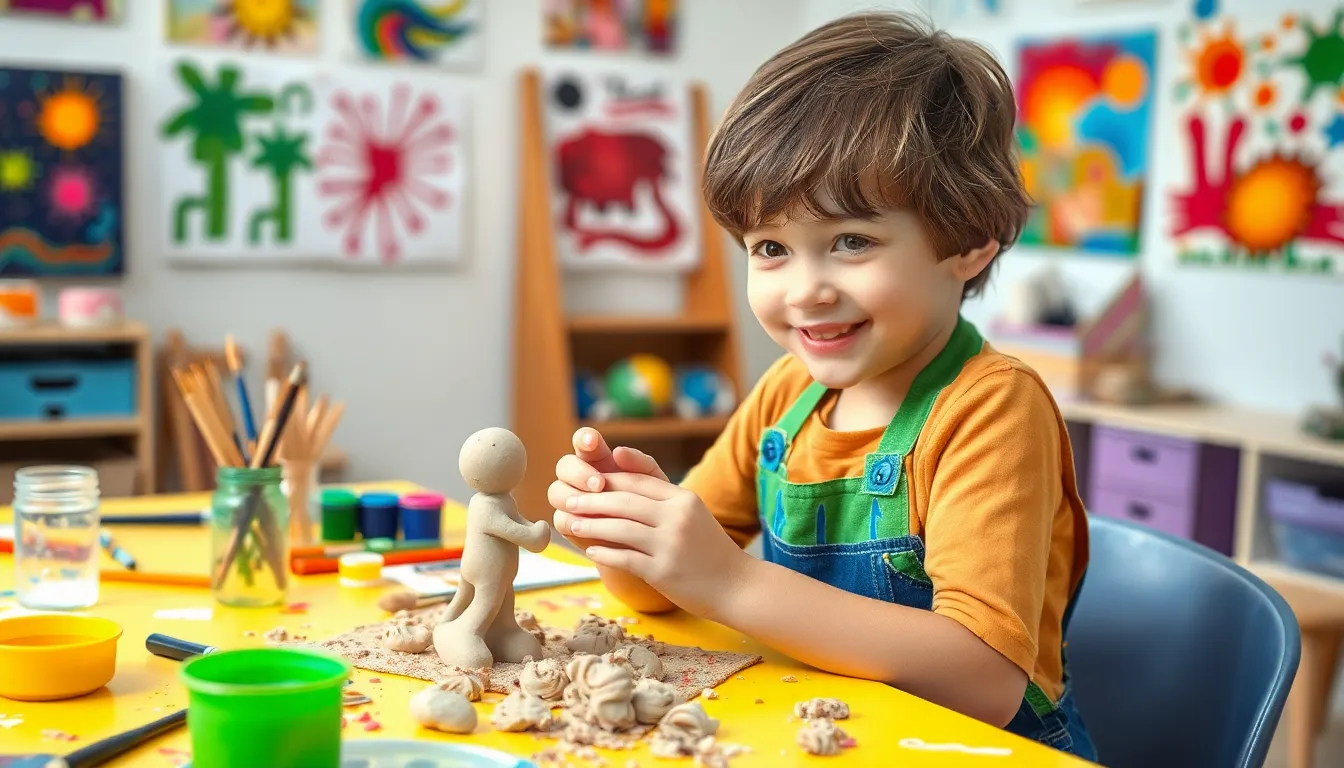
- Clay Modeling: Working with clay promotes tactile exploration, allowing children to mold their emotions into tangible forms.
These methods foster self-awareness, facilitate communication, and enhance emotional expression.
Play Therapy Methods
Play therapy provides a dynamic avenue for emotional exploration. Common methods include:
- Role-Playing: Children engage in role-playing scenarios that mirror real-life situations, helping them process experiences and feelings.
- Storytelling with Puppets: Using puppets in storytelling aids children in articulating thoughts and feelings safely, promoting emotional understanding.
- Sand Tray Therapy: This technique involves creating scenes with miniature figures in a sand tray, enabling children to project their feelings and experiences visually.
- Guided Imagery: Facilitators encourage children to visualize calming landscapes or scenarios, nurturing relaxation and emotional regulation.
These play-based methods empower children to articulate feelings and foster resilience through engagement.
Cognitive Behavioral Therapy for Children
Cognitive Behavioral Therapy (CBT) effectively addresses emotional and behavioral challenges in children. Its structured approach helps kids understand their thoughts and feelings, transforming negative patterns into healthier ones.
Key Principles of CBT
- Thought Awareness: CBT encourages children to identify and articulate their thoughts, making them aware of how these thoughts impact emotions and behaviors.
- Cognitive Restructuring: CBT teaches children to challenge distorted thinking. By replacing negative thoughts with positive alternatives, children can better manage their emotional responses.
- Behavioral Activation: Engaging children in enjoyable activities fosters positive emotions. CBT incorporates this principle to help kids build resilience.
- Problem-Solving Skills: Children learn to identify problems, brainstorm solutions, and evaluate outcomes. This enhances coping abilities in challenging situations.
- Practice and Repetition: Consistent practice of CBT techniques reinforces learning. Children apply strategies learned in therapy to real-life scenarios for greater effectiveness.
Tailoring CBT for Younger Audiences
- Use of Simple Language: Therapists simplify concepts, using age-appropriate language. This ensures children understand CBT principles and can engage fully.
- Incorporation of Play: Therapists often integrate play-based activities within CBT sessions. This facilitates connection, making the therapy experience enjoyable and relatable.
- Visual Supports: Visual aids, such as charts and drawings, help illustrate complex ideas. Children find it easier to grasp concepts through visual representations.
- Goal Setting: Collaborative goal-setting allows children to define personal objectives within therapy. Specific, achievable goals motivate kids and enhance their commitment to the process.
- Engagement with Parents: Involving parents in the process strengthens the support system. Regular communication ensures parents can reinforce CBT strategies at home.
Cognitive Behavioral Therapy stands as a powerful tool for helping children navigate emotional complexities while fostering resilience and healthier coping mechanisms.
Behavior Modification Strategies
Behavior modification strategies focus on enhancing a child’s behavioral skills through structured techniques. These strategies apply principles of learning theory to encourage positive behavior and reduce problematic actions.
Positive Reinforcement
- Tangible Rewards: Offering stickers, small toys, or privileges for desired behaviors reinforces positive actions.
- Verbal Praise: Providing specific, enthusiastic compliments when children exhibit appropriate behavior boosts their self-esteem.
- Token Economy: Implementing a system where children earn tokens for good behavior can motivate them to maintain those behaviors over time.
Negative Reinforcement
- Removal of Unpleasant Tasks: Eliminating chores or homework when children consistently demonstrate positive behavior can increase adherence to desirable actions.
- Time-Outs: Temporarily removing a child from a stimulating situation can effectively reduce undesirable behavior and promote reflection.
Setting Clear Expectations
- Behavior Contracts: Creating written agreements outlining expectations and consequences helps children understand their responsibilities.
- Consistent Rules: Establishing and maintaining consistent rules creates a structured environment, aiding children in recognizing and adhering to expected behaviors.
Modeling Behavior
- Demonstrating Desired Behaviors: Adults can model the behavior they wish to instill in children, showing them appropriate reactions and coping strategies in real-life situations.
- Role-Playing Scenarios: Engaging children in role-playing helps practice and reinforce desired behaviors in a safe setting.
Social Skills Training
- Interactive Games: Utilizing games that involve turn-taking and cooperation encourages the development of vital social skills.
- Group Activities: Participating in group therapy or teamwork exercises fosters communication skills and teaches children how to engage positively with peers.
Behavioral Feedback
- Daily Reports: Providing daily feedback from teachers or caregivers highlights areas of success and points for improvement.
- Regular Meetings: Scheduling regular check-ins with parents to discuss progress and behavior patterns keeps everyone informed and engaged in the child’s development.
These behavior modification strategies equip children with tools to navigate their emotions and interactions effectively, promoting positive behavior and emotional resilience.
Child therapy offers a vital pathway for emotional growth and resilience. By incorporating creative techniques like play, art, and storytelling, therapists can engage children in ways that resonate with their experiences. These methods not only foster self-expression but also equip children with essential skills to navigate life’s challenges.
As parents and caregivers explore these innovative therapy ideas, they can create supportive environments that promote healthy emotional development. Embracing diverse approaches ensures that each child’s unique needs are met, paving the way for stronger relationships and improved well-being. Ultimately, investing in child therapy can lead to lasting positive change in a child’s life.


